Mark Maas
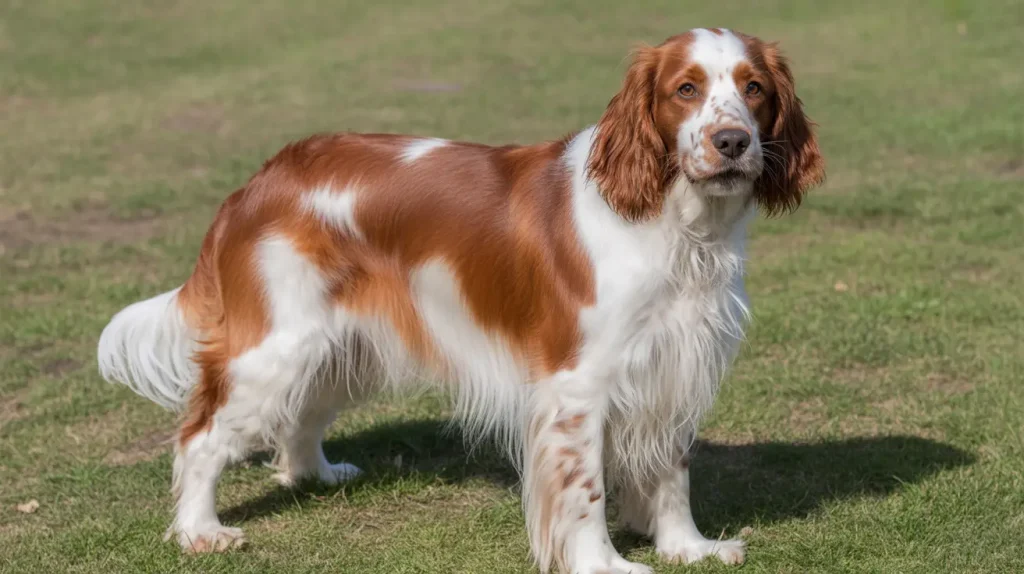
If you’ve ever met a Welsh Springer Spaniel, you know they have a way of stealing hearts. With their signature red-and-white coat, boundless enthusiasm, and affectionate personality, this breed is the perfect mix of worker and companion. Whether you’re a first-time owner or an experienced dog parent, understanding their temperament, care needs, and quirks will help you decide if this energetic breed fits your lifestyle.
Content
Temperament and Personality
The Welsh Springer Spaniel temperament is one of loyalty, intelligence, and joy. These dogs are happiest when they’re close to their families — they thrive on affection and companionship. Bred originally as hunting dogs, Welsh Springers are alert, focused, and always ready for action.
Despite their working roots, they are also incredibly gentle and affectionate around their loved ones. I often describe them as “velcro dogs” because they love to stick right by your side — whether you’re gardening, hiking, or just watching TV.
Key Personality Traits:
- Devoted and loyal to their owners
- Energetic and playful
- Intelligent and eager to learn
- Sensitive to harsh training or loud environments
While they share some similarities with their English cousins, the Welsh Springer Spaniel tends to be a bit more reserved around strangers, making them loyal but not overly clingy.
So, are Welsh Springer Spaniels good family dogs? Absolutely — as long as they get the right amount of exercise and mental stimulation. They’re wonderful with children, patient with playtime, and form deep bonds with every family member.
Care and Exercise Needs
A Welsh Springer isn’t one to laze around all day. Their hunting ancestry means they’re built for movement and endurance. So, how much exercise does a Welsh Springer Spaniel need?
In my experience, at least one to two hours of daily activity keeps them physically and mentally satisfied. This can include brisk walks, fetch, agility training, or swimming — they absolutely love the water!
If they don’t get enough activity, they can become restless or start chewing things out of boredom. A bored Welsh Springer is a mischievous one. The key is to mix physical and mental challenges — puzzle toys, scent games, and obedience drills are great for this purpose.
Exercise Ideas:
- Morning jog or bike ride
- Fetch or frisbee in the park
- Agility or flyball training
- Swimming sessions in safe waters
Health and Lifespan

On average, the Welsh Springer Spaniel lifespan ranges from 12 to 15 years, with proper care, diet, and regular veterinary checkups.
That said, all breeds have predispositions to certain health issues. Understanding these helps you take preventative measures early on.
Common Welsh Springer Spaniel health problems:
- Hip dysplasia
- Ear infections
- Eye conditions (entropion, cataracts)
- Epilepsy
- Allergies and skin issues
Maintaining a balanced diet, regular exercise, and annual vet visits go a long way in keeping them healthy. Choosing high-quality food designed for active breeds supports joint health and energy levels — something this breed needs plenty of!
Read More About: Catahoula Leopard Dog
Training Tips for Welsh Springer Spaniels
How to train a Welsh Springer Spaniel puppy comes down to two main ingredients: consistency and patience. These dogs are highly intelligent but also sensitive — harsh tones or punishment can easily discourage them.
When I worked with a Welsh Springer named “Ruby,” I learned that short, fun sessions worked best. She loved reward-based training — a few treats and an upbeat voice went a long way.
Training Tips:
- Start early with socialization — introduce new people, pets, and environments.
- Keep sessions short (10–15 minutes) to hold their attention.
- Use positive reinforcement: treats, praise, and toys.
- Avoid yelling; they respond better to calm, confident instruction.
- Focus on recall and impulse control — their hunting instincts can kick in fast!
A well-trained Welsh Springer is eager to please, obedient, and incredibly affectionate. They love having a “job” to do — even if it’s just fetching your slippers.
Grooming Guide
Let’s talk about that gorgeous red-and-white coat. The Welsh Springer Spaniel grooming guide is fairly straightforward but requires consistency. Their medium-length, silky coat sheds moderately and can tangle if left unattended.
Grooming Routine:
- Brushing: 2–3 times a week to prevent mats.
- Bathing: Once every 4–6 weeks or when muddy.
- Ears: Check weekly — their floppy ears can trap moisture.
- Nails: Trim every 3–4 weeks.
One tip I share with every Welsh Springer owner: invest in a good slicker brush. Their coat collects burrs easily during outdoor play, especially after walks in grassy areas.
Living Conditions and Family Fit
Welsh Springer Spaniels thrive in homes where they’re part of daily life. Apartments aren’t ideal unless you’re committed to long walks and playtime. A home with a fenced yard where they can safely explore is perfect.
Because they’re so social, they don’t do well when left alone for long periods. They’re happiest when included in family activities — from hikes to movie nights.
If you’re wondering are Welsh Springer Spaniels good family dogs, the answer is yes, but they suit active families best. They bond deeply, are gentle with kids, and can live peacefully with other pets when properly socialized.
Cost and Considerations
Owning a Welsh Springer Spaniel is a long-term commitment — emotionally and financially.
Typical Costs:
- Puppy price: $1,000–$1,800 from reputable breeders
- Food: $40–$60 per month for premium quality
- Vet visits: $300–$500 annually
- Grooming tools/supplies: $100+ one-time investment
While not the most expensive breed to own, ongoing care (especially grooming and healthcare) adds up. Still, their companionship and loyalty make every penny worth it.
Real-Life Case Study: “Milo’s Transformation”
Meet Milo, a three-year-old Welsh Springer Spaniel adopted by a family who lived near a lake. When they first brought him home, Milo was anxious and full of energy — constantly pacing and barking whenever left alone.
With patience and structured activity, everything changed. The family followed a daily routine: morning walks, afternoon swimming sessions, and short training drills in the evening. Within three months, Milo transformed into a calmer, more confident dog.
This real-life example proves that understanding the Welsh Springer Spaniel temperament — and giving them both purpose and companionship — turns potential chaos into companionship bliss.
Conclusion
The Welsh Springer Spaniel is much more than a pretty face — it’s a loyal, intelligent, and affectionate companion who thrives when given love, structure, and activity. If you’re looking for a dog that will join you on adventures, cuddle with you on lazy days, and greet you every morning with wagging enthusiasm, this breed won’t disappoint.
Their charm lies not just in their beauty but in their boundless heart — a perfect match for active families and devoted pet lovers alike.
If you love unique dog breeds, don’t miss our detailed guide on the Fluffy French Bulldog to learn about its coat, personality, and care needs.
FAQs
Are Welsh Springer Spaniels good pets?
Yes, they’re affectionate, loyal, and great for active families who can provide daily exercise and companionship.
What’s the difference between an English Springer Spaniel and a Welsh Springer Spaniel?
Welsh Springers are smaller, have red-and-white coats, and are slightly more reserved than their English cousins.
Do Welsh Springer Spaniels bark a lot?
They’re moderate barkers — they’ll alert you to strangers but usually stay quiet when well-trained and exercised.
How much does a Welsh Springer Spaniel cost?
Expect to pay between $1,000 and $1,800 from a reputable breeder, depending on lineage and location.

Mark is the birdwatcher extraordinaire. From chirping canaries to majestic macaws, he’s here to help you feather your nest with pet bird knowledge.