If you’ve noticed a small, red bump on your dog’s skin that looks like a pimple or irritated spot, you might be dealing with something called a dog ingrown hair. While it may sound minor, this condition can sometimes cause discomfort, itching, or even infection if ignored.
As a pet care writer and someone who has spent years observing common grooming-related skin issues in dogs, I’ve seen how often owners mistake ingrown hairs for allergies, flea bites, or simple skin irritation. The good news is that in most cases, it is manageable with proper care and attention.
Content
What Is Dog Ingrown Hair?
A dog ingrown hair happens when a hair curls back or grows sideways into the skin instead of growing outward. This trapped hair can cause irritation, redness, and sometimes a small bump under the skin.
This condition is closely related to dog folliculitis, which is the inflammation of hair follicles. When the follicle becomes blocked or irritated, it can lead to infection or small pus-filled bumps.
In simple terms, it is similar to what humans experience as ingrown hairs after shaving or waxing.
What Causes Ingrown Hair in Dogs?
There are several reasons why ingrown hairs develop in dogs. Based on grooming observations and veterinary explanations, the most common causes include:
1. Poor or Improper Grooming
Shaving too close to the skin or using blunt grooming tools can increase the risk of hair curling back into the skin.
2. Curly or Dense Coat Types
Dogs with thick or curly coats are more prone because their hair naturally bends back into the skin surface.
3. Dirt and Dead Skin Blockage
When pores become clogged with dirt, oil, or dead skin cells, hair cannot grow out properly.
4. Skin Irritation or Allergies
Dogs with sensitive skin or dog skin allergies often scratch or rub excessively, which increases inflammation and hair trapping.
5. Bacterial Infection
Sometimes, an ingrown hair can turn into a canine skin infection if bacteria enter the irritated follicle.
Signs and Symptoms of Dog Ingrown Hair
Recognizing the symptoms early can prevent complications. Common signs include:
Small red or pink dog skin bumps
Swelling around hair follicles
Itching or constant scratching
Mild pain when touched
Pus-filled or acne-like lumps
Localized hair loss
Many pet owners confuse this condition with flea bites or general skin irritation, which is why understanding the differences is important.
Dog Ingrown Hair vs Flea Bites
One common mistake pet owners make is confusing ingrown hairs with flea bites.
Ingrown hair: Usually a single bump with a trapped hair or localized inflammation
Flea bites: Multiple small red spots, often around the belly, tail, or legs
If you’re unsure, it’s always better to consult a vet rather than guessing.
How to Treat Dog Ingrown Hair Safely
Treatment depends on severity. Mild cases can often be handled at home, but infected cases need veterinary care.
At-Home Care (Mild Cases)
If the bump is small and not infected:
Clean the area with warm water and mild antiseptic
Use a warm compress to reduce swelling
Keep the area clean and dry
Prevent your dog from scratching
Veterinary Treatment (Moderate to Severe Cases)
A vet may recommend:
Antibiotic ointments
Medicated shampoos
Anti-inflammatory medication
Drainage if pus is present
Never try to squeeze or dig out the hair yourself, as this can worsen infection.
One of the most searched concerns is how to treat dog ingrown hair at home safely. The key is patience and cleanliness.
A warm compress applied for 5–10 minutes, two times daily, can help the trapped hair come closer to the surface naturally. However, if you notice swelling or pus, stop home treatment and consult a vet.
Can Dog Ingrown Hair Heal on Its Own?
Yes, in mild cases, can dog ingrown hair heal on its own is a valid concern—and the answer is often yes.
If the immune system handles the irritation and the hair eventually breaks through the skin, the bump may disappear without treatment. However, monitoring is essential to ensure it doesn’t turn into an infection.
Real-Life Case Study: Max the Labrador
One of the most memorable cases I came across was a 4-year-old Labrador named Max.
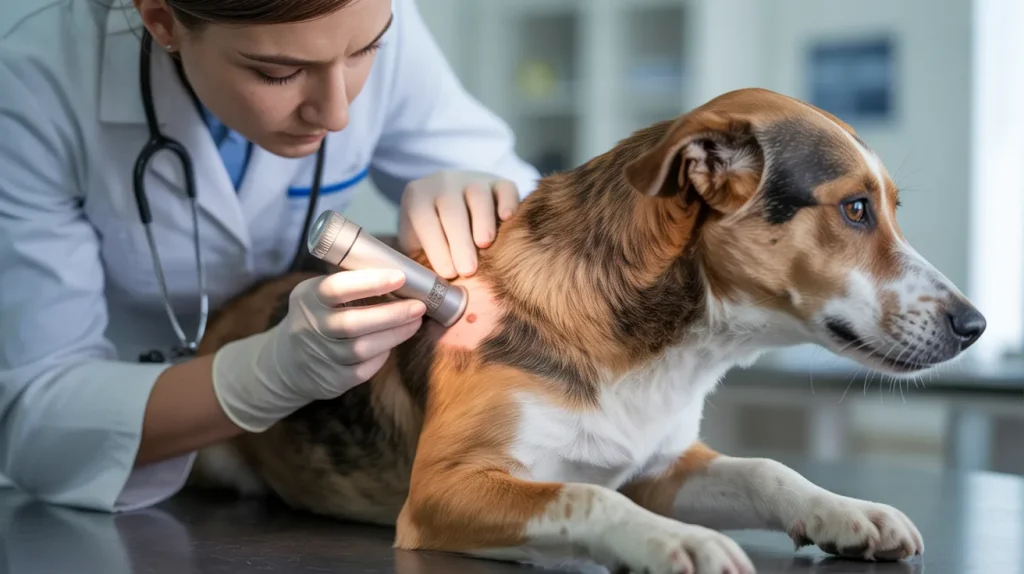
Max’s owner noticed a small bump on his neck after a grooming session. At first, they thought it was a bug bite. Over a few days, the bump became slightly red and itchy. Max started scratching it repeatedly, making it worse.
When they visited a vet, it was diagnosed as an ingrown hair that had developed mild dog folliculitis due to irritation.
Treatment Plan:
Warm compress twice daily
Antibacterial shampoo bath twice a week
Preventing scratching with a soft collar
Within 7–10 days, the bump reduced significantly and fully healed without complications.
This case highlights how early attention can prevent a minor issue from becoming a serious infection.
How to Prevent Ingrown Hair in Dogs After Grooming
Prevention is always better than treatment. Here are effective tips:
Avoid shaving too close to the skin
Use proper grooming tools
Brush your dog regularly
Keep skin clean and moisturized
Treat skin allergies early
Maintain a balanced diet for healthy skin
These steps significantly reduce the risk of how to prevent ingrown hair in dogs after grooming situations.
When Should You Visit a Vet?
You should consult a veterinarian if:
The bump grows in size
Pus or bleeding appears
Your dog shows signs of pain
Multiple bumps develop
There is no improvement after a few days
Ignoring these signs may lead to a more serious canine skin infection.
Final Thoughts
A dog ingrown hair is usually a mild but uncomfortable skin condition that many pet owners overlook. While it often starts as a small bump, it can escalate if not cared for properly.
The key takeaway is simple: early detection, gentle care, and proper grooming habits can prevent most issues. Always observe your dog’s skin after grooming sessions, especially if they have sensitive or curly coats.
Learn more about related ear problems in dogs and how to spot early symptoms in our guide on Dog Ear Infection for better overall pet health care.
FAQs
How to treat an ingrown hair on a dog?
Clean the area, use warm compresses, and seek vet care if swelling, pus, or pain increases.
What does an ingrown hair cyst look like on a dog?
It appears as a small red or swollen bump, sometimes filled with pus and surrounded by irritated skin.
What gets mistaken for ingrown hair?
Flea bites, allergies, cysts, or bacterial skin infections are often confused with ingrown hair in dogs.
Should you remove dog ingrown hair?
No, never remove it yourself. It can worsen infection—let a vet handle it safely.

 Mark Maas