If you’ve ever walked into a room and caught a sharp, musky odor, you may have asked yourself: “Why do cats spray?” Cat spraying can feel confusing and frustrating, especially when it happens indoors. But before you assume your cat is misbehaving, it’s important to understand that spraying is often a natural form of communication. By learning the causes and solutions, you can reduce or even stop this behavior—while keeping your cat happy and your home fresh.
Content
What Does Cat Spraying Mean?
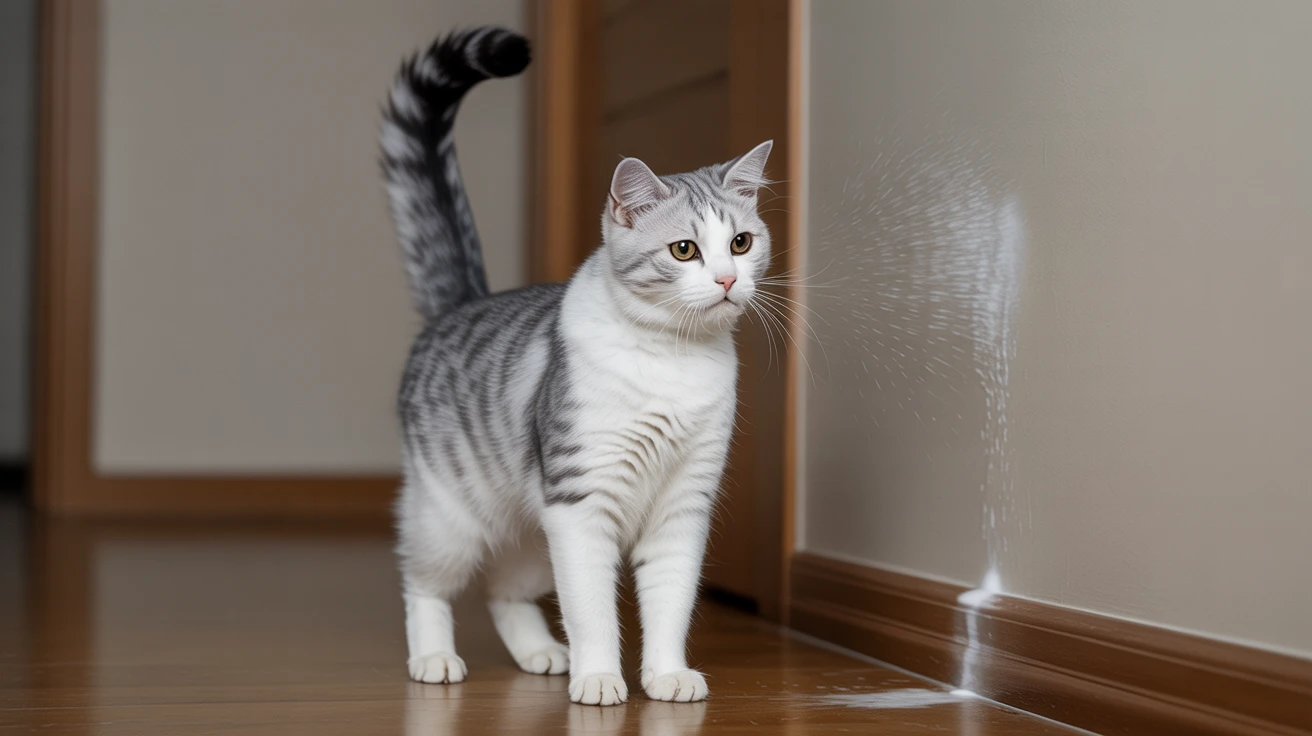
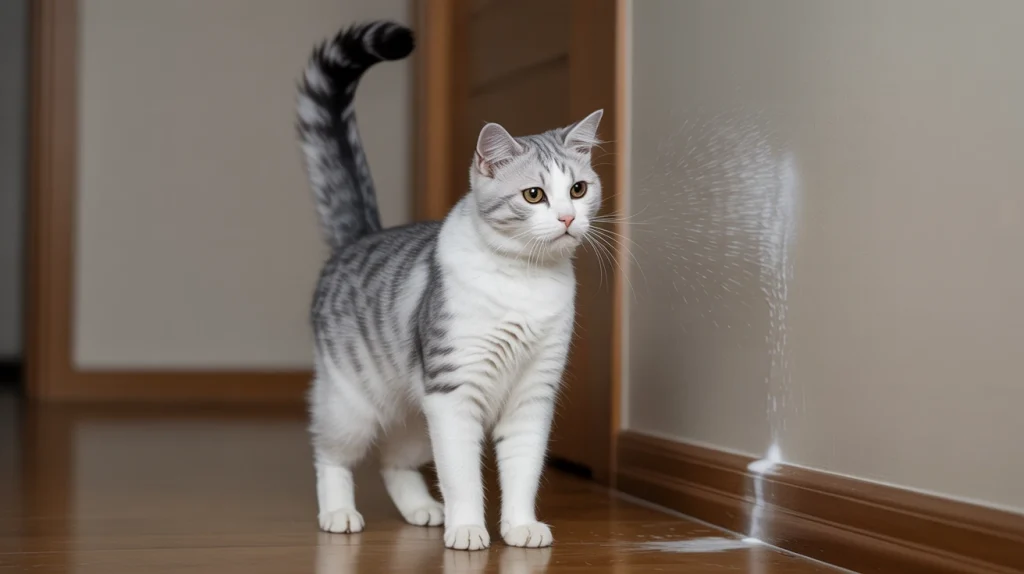
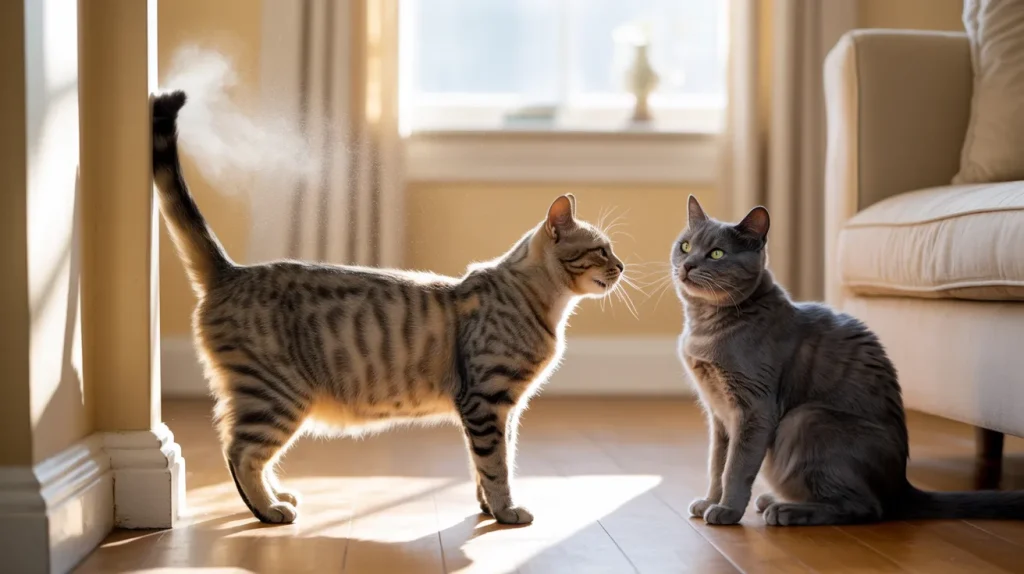
Cat spraying, also known as cat urine marking, is different from regular bathroom habits. Instead of squatting to pee in the litter box, a cat that’s spraying typically stands upright with a quivering tail and releases a small amount of urine on vertical surfaces like doors, walls, or furniture.
The cat behavior isn’t always about needing to urinate—it’s usually about sending a message. Cats leave behind a strong-smelling scent that communicates territory, emotional state, or mating readiness to other cats.
Why Do Cats Spray?
Spraying can be caused by several factors, ranging from biology to environment. Let’s break them down.
1. Marking Territory
Cats are naturally territorial animals. Spraying is their way of saying, “This is my space.” You might see this happen more often in multi-cat households or if neighborhood cats are visible outside the window.
2. Mating Behavior
Both male and female cats may spray when they are not spayed or neutered. Male cat spraying is especially common, as intact males use strong-smelling urine to signal their availability to females. Spaying or neutering typically reduces this type of spraying, but it doesn’t always eliminate it entirely.
3. Stress or Anxiety
Changes in the household—new pets, moving to a new home, or even rearranging furniture—can cause stress and cat spraying. Cats spray to comfort themselves and to create a familiar scent in their environment.
4. Medical Issues
Sometimes what looks like spraying is actually inappropriate urination due to a medical condition. Urinary tract infections, bladder stones, or kidney issues can make a cat urinate outside the litter box. If your cat suddenly starts spraying or peeing more often, a vet visit is essential.
Cat Spraying vs Peeing: How to Tell the Difference
Many owners confuse cat spraying vs peeing. Here’s how you can tell them apart:
Spraying: Cat stands upright, tail quivers, releases a small amount of urine on vertical surfaces.
Peeing: Cat squats, leaves a larger puddle, usually on horizontal surfaces like the floor, bed, or carpet.
Recognizing the difference is crucial because spraying is a behavioral issue, while peeing outside the box can point to medical problems.
Yes—both sexes are capable of spraying. However, male cat spraying is more common, especially if they haven’t been neutered. Female cat spraying happens too, often when females are in heat or stressed.
Interestingly, cat spraying after neutering can still occur, though usually at a lower frequency. Behavioral triggers like anxiety or environmental stress may continue to cause the habit.
Common Triggers for Cat Spraying
Your cat might spray for multiple reasons, but here are some of the most common triggers:
New pets or people in the household.
Multi-cat households where cats compete for territory.
Outdoor cats nearby that your cat can see or smell.
Dirty litter box or changes in litter type.
Sudden changes like moving homes or introducing new furniture.
Understanding these triggers is the first step toward solving the problem.
How to Stop Cats from Spraying Indoors
If your cat is spraying indoors, don’t panic—there are steps you can take to reduce or stop it.
1. Spay or Neuter Your Cat
One of the most effective long-term solutions is neutering or spaying your cat. This significantly reduces hormonally driven spraying behaviors.
2. Reduce Stress and Anxiety
Stress is one of the top causes of cat spraying behavior. Try to maintain a stable routine, provide hiding spots, and use calming aids like pheromone diffusers (Feliway). Interactive play can also help reduce tension.
3. Keep the Litter Box Clean
Cats are picky about cleanliness. Make sure the litter box is scooped daily, washed weekly, and placed in a quiet, private area.
4. Eliminate Odors Thoroughly
If a spot smells like urine, your cat will likely spray there again. Use enzymatic cleaners designed to break down odor molecules rather than masking the smell.
5. Provide Vertical Space and Enrichment
Cats love climbing and scratching. Giving them cat trees, perches, and scratching posts can reduce territorial disputes and keep them busy.
6. Consult Your Veterinarian
If none of these steps help, consult a vet or animal behaviorist. Medical issues must always be ruled out before focusing solely on behavior.
Real-Life Case Study: Milo’s Story
Milo, a 3-year-old Domestic Shorthair cat, started spraying near the front door after his family adopted a new puppy. At first, his owners thought he was being “spiteful.” But after consulting their vet, they learned Milo was experiencing stress and cat spraying triggered by the new pet’s arrival.
The solution? The family:
Set up a separate quiet room for Milo with his litter box and favorite toys.
Used pheromone diffusers around the house.
Gradually introduced the puppy with short, supervised sessions.
Within a month, Milo’s spraying decreased dramatically. This case highlights that understanding the trigger and making small changes can solve the problem without punishment.
When to See a Vet
If your cat sprays suddenly, sprays excessively, or seems to strain while urinating, schedule a veterinary visit. Conditions like urinary tract infections or bladder stones require immediate medical attention. Early treatment prevents complications and helps your cat feel better quickly.
Conclusion
So, why do cats spray? The answer isn’t simple—it could be territorial instincts, mating behavior, stress, or even a medical issue. The key is understanding the difference between spraying and peeing, identifying triggers, and taking proactive steps to help your cat feel secure.
Spraying may be frustrating, but with patience, consistency, and the right strategies, you can reduce or eliminate the behavior while strengthening your bond with your cat.
If you’ve noticed your dog keeps sneezing, our detailed guide explains the common causes and when to see a vet.
FAQs
How do you stop a cat from spraying?
Neutering, reducing stress, keeping litter boxes clean, and using pheromone diffusers can help stop cat spraying.
How long does cat spray smell last?
Cat spray smell can linger for weeks unless cleaned with enzymatic cleaners that fully break down the odor molecules.
What kills the smell of cat spray?
Enzymatic cleaners work best to kill cat spray odor by breaking down urine molecules instead of masking them.
Is cat spraying a behavioral issue?
Yes. Cat spraying is mainly a behavioral issue linked to stress, territory, or mating, but medical causes should be ruled out.

 Mark Maas