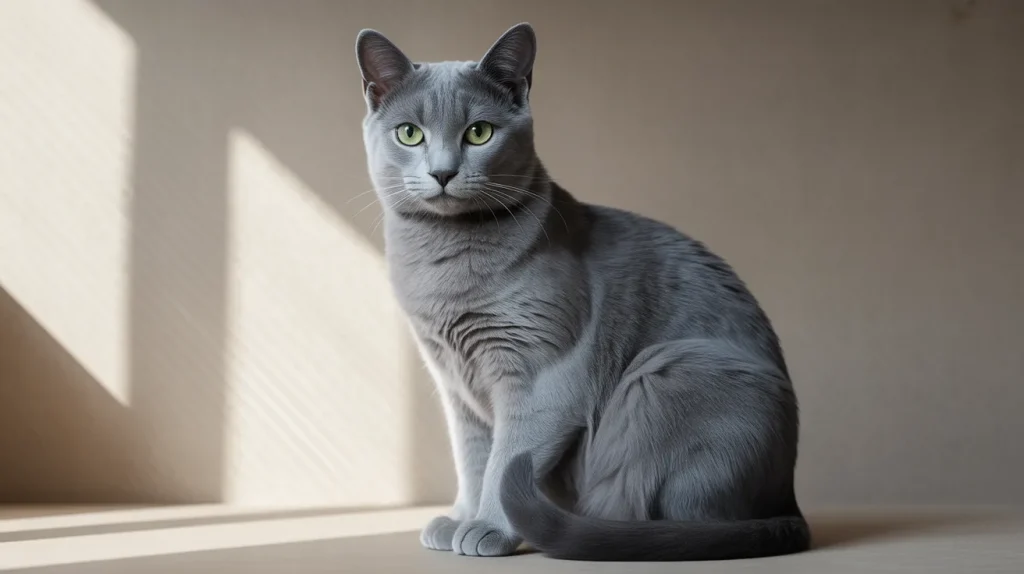
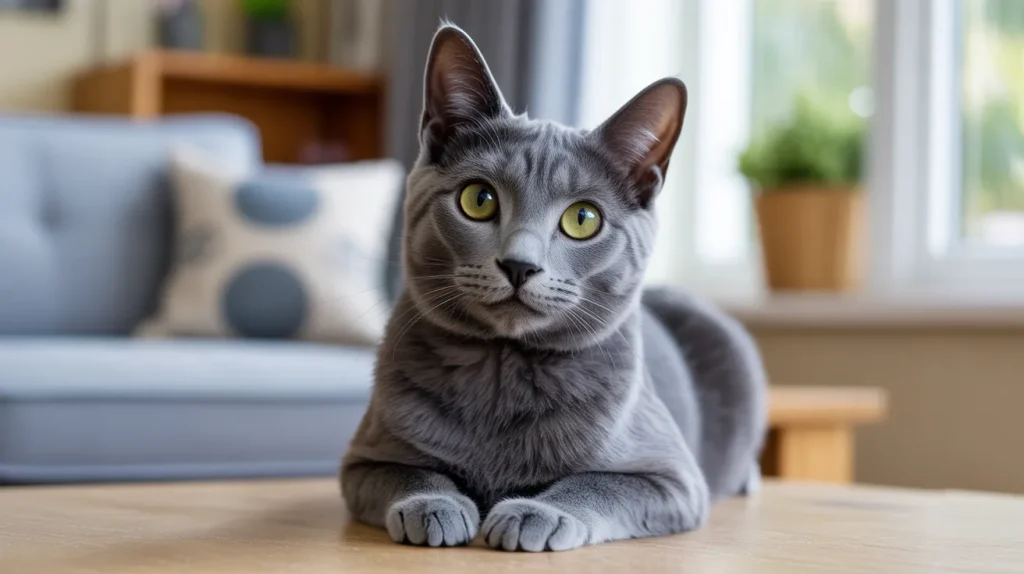
The Russian Blue Cat is one of the most elegant and captivating cat breeds you can bring into your home. Known for their shimmering silver-blue coat, striking emerald eyes, and playful yet gentle demeanor, these cats have captured the hearts of cat lovers worldwide. If you’re considering adopting a Russian Blue kitten or just want to learn more about this fascinating breed, this guide will walk you through everything from personality traits to care tips, grooming, and health considerations.
Content
Introduction: Why Russian Blue Cats Are Special
When I first met my Russian Blue Cat, Luna, I was immediately drawn to her soft, dense coat and mesmerizing green eyes. Unlike many other cats, she had an air of quiet intelligence and independence, making her both affectionate and intriguingly mysterious. Russian Blue cats are known for their reserved yet loving personalities, and they are often ideal companions for families, singles, and even seniors.
One unique trait of the Russian Blue is their gentle and shy temperament. Unlike breeds that demand constant attention, they enjoy interactive play but are equally content lounging peacefully in quiet corners. This makes them perfect for a calm household or someone seeking a low-maintenance, affectionate companion.
Physical Appearance and Coat Characteristics
Russian Blue cats are instantly recognizable due to their plush, silvery-blue coat and vivid green eyes. Their fur is short but incredibly dense, giving it a luxurious, soft-to-the-touch texture. The coat is double-layered, which helps keep them warm while maintaining an elegant appearance.
These cats are medium-sized, with a muscular, lean build. Their long legs, tapered tail, and wedge-shaped heads give them a graceful, almost regal posture. Russian Blue kittens are especially charming, with a delicate, small frame that slowly grows into their striking adult physique.
Key Traits:
Short, dense double coat with silver tipping
Vivid green, almond-shaped eyes
Medium-sized, muscular body
Elegant posture and graceful movements
Personality and Temperament
One of the most appealing aspects of the Russian Blue cat personality is their combination of intelligence, playfulness, and gentleness. Unlike some breeds that are overly demanding, Russian Blues are calm, observant, and slightly reserved around strangers.
Shy but affectionate: Russian Blues may take time to warm up to new people but form deep bonds with their owners.
Highly intelligent: They quickly learn tricks, enjoy puzzle toys, and can even open doors if left unchecked!
Playful and curious: While they enjoy lounging, they also love interactive play sessions, especially with feather toys or laser pointers.
I remember a neighbor joking about my Luna’s “secret hiding spots.” She would quietly observe from her perch on the bookshelf and suddenly pounce into a playful streak. Russian Blue cats are observant, which makes them fascinating companions to watch.
Russian Blue cats are generally healthy, with a lifespan ranging from 15 to 20 years, which is relatively long for domestic cats. However, like all breeds, they can be prone to certain health concerns:
Urinary tract issues – Ensure proper hydration and diet management.
Obesity – Because they enjoy lounging, regular play is essential to maintain a healthy weight.
Dental issues – Routine brushing or dental treats help prevent problems.
Regular vet check-ups, a balanced diet, and mental stimulation are crucial for keeping your Russian Blue happy and healthy. One real-life case study involves Luna’s cousin, Boris, a Russian Blue kitten adopted from a shelter. Early dental care and a high-protein diet helped him thrive without any obesity concerns, even as he matured into an adult.
Grooming and Daily Care Tips
Despite their dense coat, Russian Blue cats are relatively low-maintenance in terms of grooming. Here’s how to care for your feline friend:
Brushing: Once or twice a week is enough to remove loose hair and maintain coat shine.
Bathing: Rarely needed unless they get particularly dirty.
Nail care: Trim nails every few weeks to prevent scratches.
Diet: High-protein cat food supports lean muscles and a healthy coat.
Exercise: Puzzle toys, climbing trees, and interactive play keep them mentally and physically active.
When I first adopted Luna, I noticed that she loved playing with feather toys more than anything else. Daily 15–20 minute sessions kept her active, prevented boredom, and strengthened our bond.
Fun Facts and Historical Trivia
Russian Blue cats are believed to have originated in Russia’s Archangel Isles, giving them their name.
They were prized by Russian royalty for their beauty and gentle nature.
Many cat enthusiasts describe them as “Mona Lisa cats” due to their enigmatic expressions.
Despite their quiet nature, they are very playful and enjoy games that stimulate their intelligence.
Real-Life Case Study: Luna, the Curious Russian Blue
Luna was adopted from a local shelter as a 12-week-old kitten. Initially shy and reserved, she quickly adapted to her new home through gradual socialization and interactive play. With daily brushing, a balanced diet, and 20-minute play sessions, Luna grew into a healthy, energetic adult with a glossy coat and a friendly personality. Her story highlights how proper care, attention, and a calm environment can help Russian Blue kittens thrive, making them affectionate and loyal companions for life.
Conclusion: Why a Russian Blue Cat Could Be Your Perfect Pet
The Russian Blue cat combines elegance, intelligence, and gentleness in a way few breeds can match. Their striking appearance, playful yet calm temperament, and relatively low-maintenance care make them ideal for a variety of households.
If you’re seeking a companion who is affectionate but not overly demanding, intelligent, and graceful, the Russian Blue cat might just be your perfect furry friend. By understanding their personality, health needs, and grooming requirements, you can provide a loving home that allows your Russian Blue to flourish.
Learn more about unique cat breeds like the Tabby Tortoiseshell Cat and their playful personalities.
FAQs
How much do Russian Blue cats cost?
Discover the average cost of a Russian Blue cat and factors that affect their price when adopting or buying.
Is my cat a Russian Blue or just gray?
Learn how to tell if your cat is a true Russian Blue or simply a gray-colored domestic cat.
Why are Russian Blue cats so expensive?
Understand why Russian Blue cats are pricey, including rarity, breed traits, and care requirements.
Do Russian Blue cats meow a lot?
Find out how vocal Russian Blue cats are and what their meows usually mean.

 Mark Maas