Mark Maas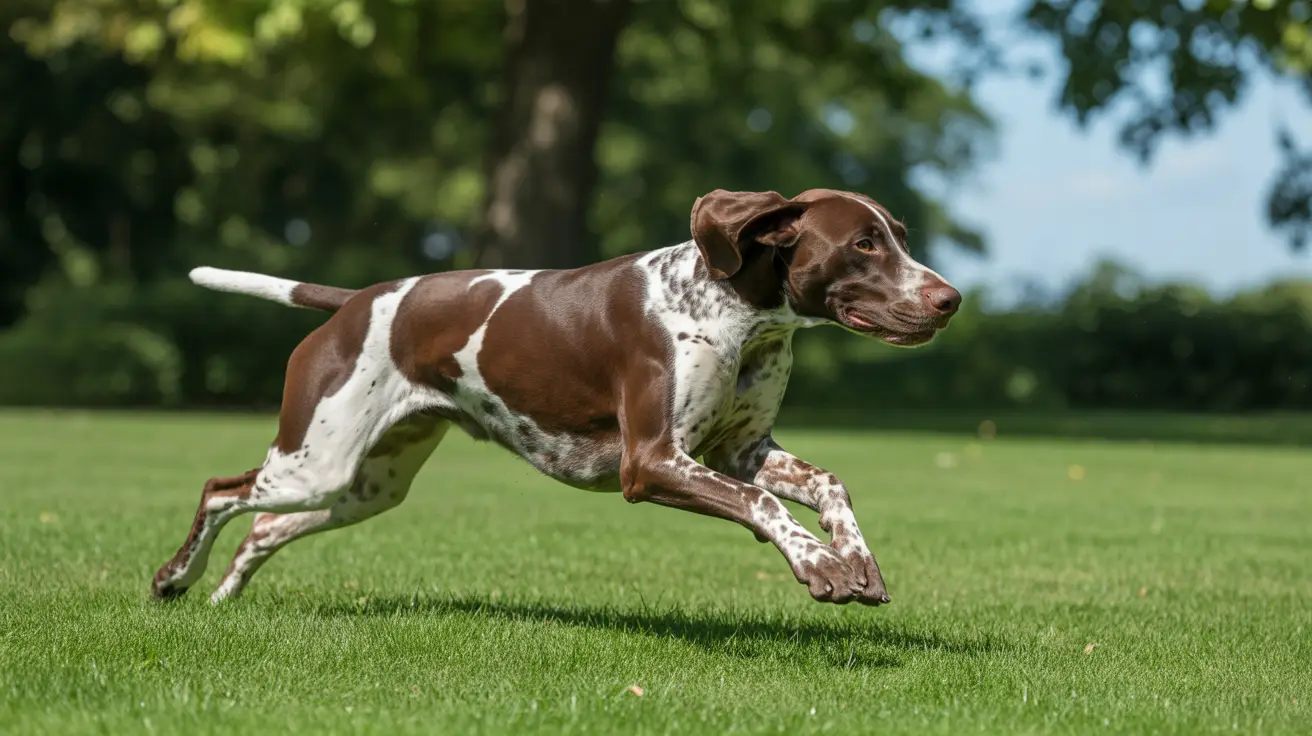
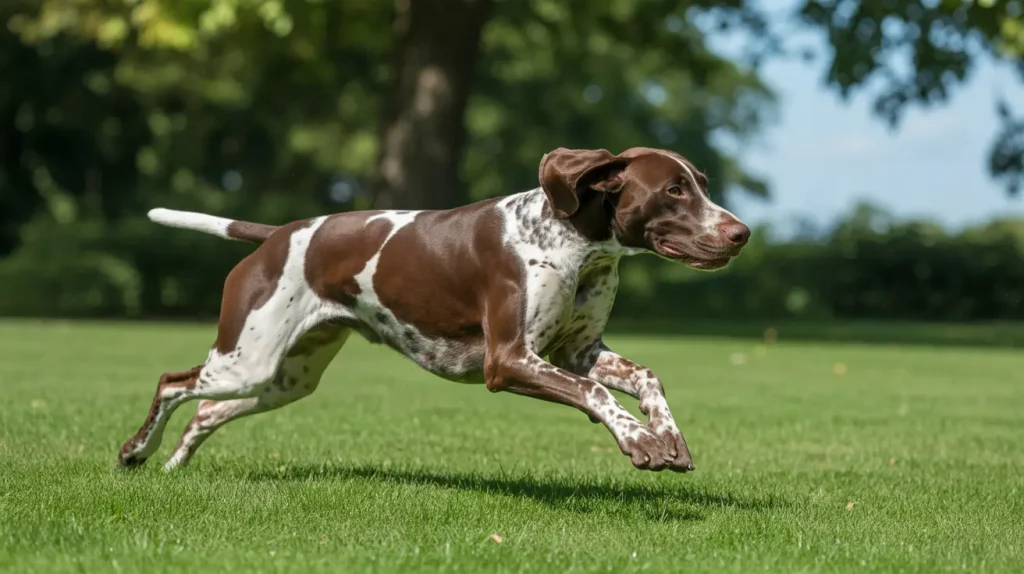
When you first meet a German Shorthaired Pointer, or GSP as many call them, you’ll likely notice their athletic build and lively personality. These dogs aren’t just beautiful; they’re versatile companions who excel at both work and play. But before you decide this is the right breed for you, it’s worth understanding their temperament, exercise needs, and overall care.
In this guide, I’ll walk you through everything you should know about the German Shorthaired Pointer—from their history to their training, lifespan, and even real-life experiences that show what living with one is really like.
Content
Key Facts at a Glance
- Size: Medium to large, averaging 21–25 inches tall.
- Weight: 45–70 pounds, depending on gender.
- German Shorthaired Pointer lifespan: Around 12–14 years with good care.
- Colors: Commonly liver (brown), white, or a mix with ticking and patches.
- Energy Level: Very high—this is a breed that thrives on daily activity.
These quick facts already show that this is not your average couch-potato dog. The GSP is a working breed with a lot of drive and energy to burn.
A Look Back: The German Shorthaired Pointer’s Origins
The German Shorthaired Pointer was developed in the 19th century in Germany. Breeders wanted a dog that could handle multiple tasks: tracking, pointing, retrieving, and even serving as a family companion. By crossing old German bird dogs with Spanish Pointers and later English Pointers, they created a versatile, all-around hunting dog that remains popular worldwide today.
This history explains why the GSP is such a hardworking, intelligent, and determined dog. Their instincts run deep, which is why training and structured activities are so important for them.
German Shorthaired Pointer Personality
If you ask any owner, they’ll tell you that the German Shorthaired Pointer personality is a mix of affectionate, playful, and driven. These dogs are incredibly loyal and form strong bonds with their families. They’re great with children and often very people-oriented.
However, because of their hunting background, they can sometimes chase smaller animals or show stubborn streaks when distracted. Their high energy means they’re happiest in active households where they get plenty of attention and engagement.
Think of the GSP as that one friend who always has the energy to go hiking, biking, or running—even after a full day’s work.
Health Issues and Lifespan
When properly cared for, the German Shorthaired Pointer lifespan is usually between 12–14 years. Like all breeds, they have certain health issues you should watch for:
- Hip dysplasia: a common concern in larger breeds.
- Eye conditions: such as progressive retinal atrophy.
- Epilepsy: some GSPs can develop seizure disorders.
The best way to manage these risks is through responsible breeding, regular vet check-ups, and maintaining a healthy weight. Owners should also invest in pet insurance or set aside a healthcare fund to prepare for any long-term medical needs.
Exercise Requirements
One of the most important things to know is the German Shorthaired Pointer exercise requirements. These dogs are built for stamina and thrive on activity. Expect to dedicate at least 1–2 hours a day to physical exercise like:
- Running or jogging alongside you
- Playing fetch in a large yard
- Long hikes in the countryside
- Canine sports like agility or dock diving
Without sufficient exercise, a GSP can quickly become bored, leading to destructive behavior such as chewing or digging.
Read More About: Dog Keeps Sneezing
Training Tips

Because they’re intelligent and eager to please, GSPs respond well to positive reinforcement. However, their independent streak means consistency is key. Here are some effective German Shorthaired Pointer training tips:
- Start early with puppy socialization.
- Use short, engaging sessions rather than long drills.
- Incorporate mental stimulation, such as puzzle toys or scent games.
- Keep it fun—GSPs enjoy variety and will work harder if training feels like play.
Remember, this breed thrives on teamwork. If they feel connected to you, they’ll work hard to follow your lead.
Nutrition and Grooming
The GSP has a short, dense coat that’s low-maintenance. A weekly brush is usually enough to keep shedding manageable. Bathing can be done as needed, especially if your dog enjoys mud or water (which most do!).
Nutritionally, they benefit from a high-quality, protein-rich diet that fuels their active lifestyle. Puppies, adults, and seniors each have different requirements, so it’s important to adjust feeding as your dog ages.
German Shorthaired Pointer Cost
Owning a GSP is an investment—not just emotionally but financially. The German Shorthaired Pointer cost can vary depending on adoption or breeder purchase:
- Adoption: $100–$300 depending on the shelter.
- From a breeder: $800–$1,500, sometimes higher for show-quality lines.
Beyond purchase price, factor in ongoing expenses like quality food, veterinary care, training, and activity gear. Over a lifetime, ownership costs can add up to several thousand dollars.
Real-Life Case Study: Max the German Shorthaired Pointer
To give you a real sense of what owning a GSP is like, let’s look at Max, a 4-year-old German Shorthaired Pointer owned by a family in Colorado.
Max was adopted from a local rescue as a high-energy dog who had already been rehomed twice due to “behavioral issues.” What his new owners discovered was that Max wasn’t misbehaved—he was under-exercised.
Once they incorporated two daily runs and weekend hiking trips into his routine, Max transformed into a calm, affectionate family companion. His natural instincts made him excel at nose work classes, and his family says he’s the best snuggle buddy after a long day outdoors.
Max’s story is a perfect example of how the right environment can unlock a GSP’s true potential. It also shows that many “problems” with the breed are solved by simply meeting their exercise and mental needs.
Is the German Shorthaired Pointer Right for You?
The German Shorthaired Pointer is a loving, loyal, and high-energy dog who thrives with active families or individuals. They’re best suited for people who enjoy the outdoors and have the time to dedicate to training and exercise.
If you’re looking for a laid-back pet to lounge on the couch all day, this might not be the breed for you. But if you’re ready to invest in an adventurous companion who’ll happily join you on runs, hikes, and weekend adventures, the GSP could be your perfect match.
Final Thoughts
The German Shorthaired Pointer is a breed that brings joy, loyalty, and endless energy into a household. With proper training, consistent exercise, and loving care, they can live long, healthy lives and become the heart of your family.
By understanding their personality, training tips, health issues, exercise requirements, and cost, you’ll be prepared to give your GSP the fulfilling life they deserve.
If you’re curious about safe veggies for dogs, check out our guide on Can Dogs Eat Asparagus?
FAQs
What are the negatives of German Shorthaired Pointers?
They need lots of exercise, can be stubborn, and may chase small animals without proper training.
How much does a GSP cost?
German Shorthaired Pointer cost ranges from $100–$300 for adoption and $800–$1,500 from breeders.
Do German Shorthaired Pointers bark a lot?
GSPs aren’t excessive barkers, but they will alert bark if bored, under-exercised, or when sensing strangers.
What are the behavior problems with GSP?
Common issues include digging, chewing, and hyperactivity when exercise and mental stimulation are lacking.

Mark is the birdwatcher extraordinaire. From chirping canaries to majestic macaws, he’s here to help you feather your nest with pet bird knowledge.