If you’ve ever noticed your dog scratching more than usual, shaking their head, or giving off an unusual odor, it might be a sign of a yeast infection in dogs. Yeast infections are one of the most common skin problems in dogs, affecting everything from their ears to paws and skin. While they may seem minor at first, ignoring them can lead to chronic discomfort for your furry friend. As a pet expert who has worked closely with dog owners for years, I’ve seen how simple awareness and early treatment can make all the difference.
In this guide, we’ll cover causes, symptoms, effective treatments, and preventive measures, so you can help your dog stay healthy and happy.
Content
What is a Yeast Infection in Dogs?
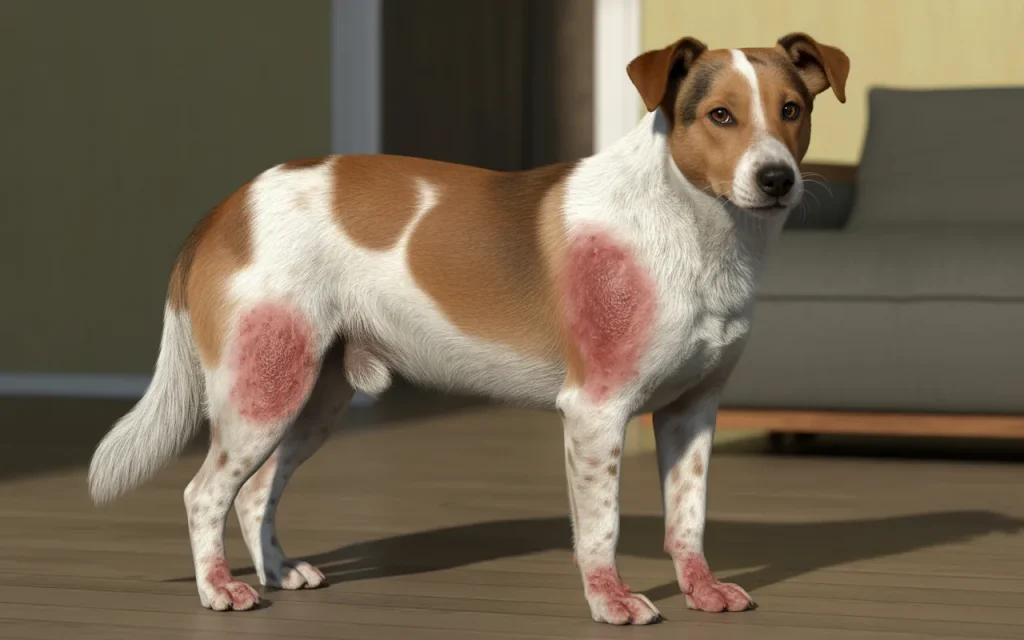
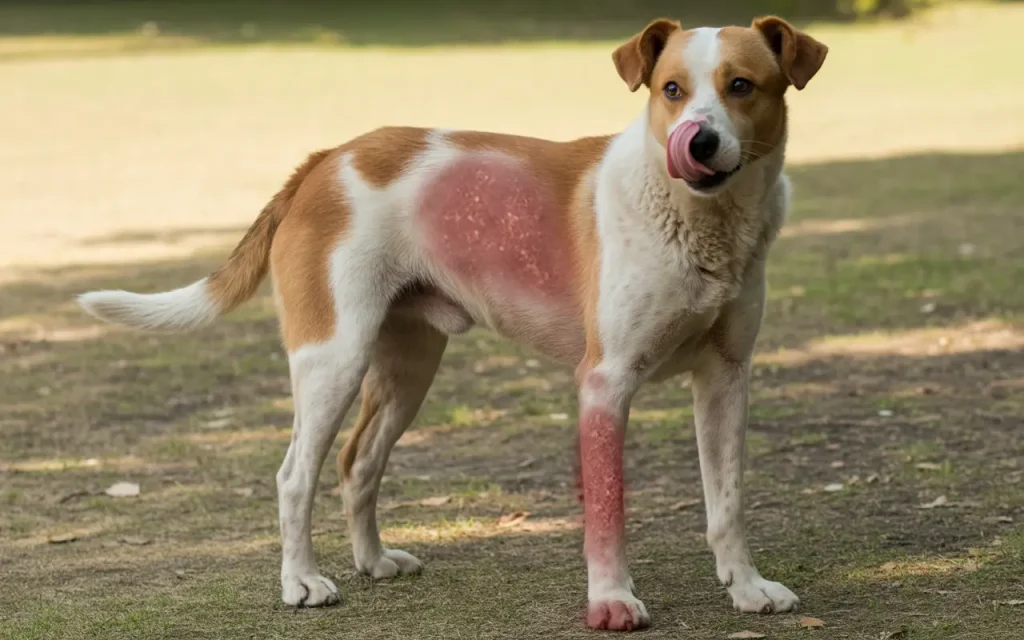
Yeast is a type of fungus that naturally exists on your dog’s skin, ears, and digestive system. Under normal conditions, it coexists harmlessly with your dog’s body. However, when there’s an overgrowth, it can lead to infections commonly known as canine yeast infections. These infections often appear as itchy, red, and inflamed skin, and they can be extremely uncomfortable for your pet.
The most commonly affected areas include:
Ears – often referred to as dog ear yeast infection
Paws – causing licking, chewing, and odor
Skin folds – especially in breeds with loose skin
Common Causes of Yeast Infection in Dogs
Understanding the root cause is the first step toward effective treatment. Some of the most common causes include:
Weakened Immune System – Dogs with compromised immunity are more susceptible to yeast overgrowth.
Allergies – Environmental or food allergies can disrupt the natural balance of yeast on the skin.
Dietary Factors – High-carb diets can contribute to yeast proliferation.
Moisture and Hygiene – Damp environments, unclean ears, and excessive licking create the perfect breeding ground for yeast.
Underlying Health Issues – Conditions like diabetes can increase the risk of infections.
Symptoms of Yeast Infection in Dogs
Identifying symptoms of yeast infection in dogs ears and paws early can prevent a minor issue from becoming a chronic condition. Common signs include:
Itchy, inflamed skin – Dogs may scratch or bite the affected area frequently.
Redness and rash – Visible skin irritation often appears on paws, belly, or under folds.
Odor – A distinctive, often musty smell is a telltale sign of yeast overgrowth.
Thickened or discolored skin – Chronic infections may cause crusting or scaling.
Ear discharge – Dogs with dog ear yeast infection may shake their head or tilt it to one side.
Pro Tip: Some breeds, like Cocker Spaniels and Basset Hounds, are more prone to yeast infections due to their ear structure and skin folds.
While some mild infections can be identified at home, a proper diagnosis ensures the right treatment plan. A veterinarian will usually:
Conduct a physical examination of affected areas.
Perform skin scraping or cytology to confirm yeast overgrowth.
Rule out other conditions, like bacterial infections or allergies, which can mimic yeast infections.
Early diagnosis is key to preventing chronic discomfort and secondary infections.
Effective Treatments for Yeast Infection in Dogs
Treating yeast infections involves a combination of medical care and at-home management. Here’s a breakdown:
1. Topical Treatments
Medicated shampoos with antifungal ingredients like chlorhexidine or miconazole.
Ear drops specifically designed for dog ear yeast infection.
Topical creams for skin folds or paw pads.
2. Oral Medications
Severe infections may require oral antifungal medication prescribed by a vet.
Always follow the vet’s instructions to avoid side effects.
3. Home Remedies
While not a substitute for vet care, some natural treatments can support recovery:
Apple cider vinegar rinse – Diluted and applied to paws or ears.
Coconut oil – Has antifungal properties and can be applied to affected skin.
Important: Never use home remedies alone for severe infections. Always consult your vet first.
4. Dietary Adjustments
Reduce high-carb treats that can feed yeast.
Incorporate probiotics to balance gut flora and support immune function.
Preventing Yeast Infections in Dogs
Prevention is always better than cure. To reduce the risk of future infections:
Keep your dog’s ears clean and dry.
Regularly wash paws after walks or playtime.
Maintain a balanced diet and healthy weight.
Avoid prolonged moisture exposure, especially in humid climates.
Schedule routine vet check-ups to catch early signs.
Real-Life Case Study: Max, the Cocker Spaniel
Max, a 4-year-old Cocker Spaniel, started scratching his ears excessively and developed a musty odor. His owner, concerned about symptoms of yeast infection in dogs ears and paws, took him to the vet. Diagnosis confirmed a severe dog ear yeast infection.
Treatment Plan:
Medicated ear drops twice daily for two weeks
Antifungal shampoo for weekly baths
Diet adjustment to low-carb, high-protein meals
Regular probiotic supplements
Within three weeks, Max’s itching subsided, his ears were healthy, and the odor disappeared. His owner also learned how to maintain ear hygiene, preventing future flare-ups.
This case highlights how early recognition, veterinary guidance, and home care can dramatically improve your dog’s quality of life.
When to See a Vet
Not all yeast infections can be managed at home. Consult a vet if your dog:
Shows persistent itching or redness.
Has discharge or bleeding from ears or paws.
Displays behavioral changes like irritability or lethargy.
Yeast infections in dogs are common but manageable. By recognizing symptoms of yeast infection in dogs ears and paws, understanding causes, and implementing effective treatments, you can ensure your dog remains comfortable and healthy. Early intervention, combined with preventive care and proper diet, often leads to rapid recovery and long-term wellness.
Remember Max’s story—prompt attention, vet guidance, and at-home care can turn a frustrating problem into a simple, manageable condition.
Learn more about caring for breeds like the Long Nose Dog and keeping them healthy.
FAQs
What are signs of yeast infection in dogs?
Watch for itchy skin, odor, redness, and paw or ear irritation in dogs with yeast infections.
How do you get rid of a yeast infection in a dog?
Treat with vet-approved antifungal meds, medicated shampoos, and proper ear or paw care.
What foods should dogs avoid with yeast infection?
Avoid high-carb treats, sugary foods, and processed snacks that feed yeast growth.
What to bathe a dog in with a yeast infection?
Use antifungal or medicated shampoos with ingredients like chlorhexidine or miconazole.

 Mark Maas