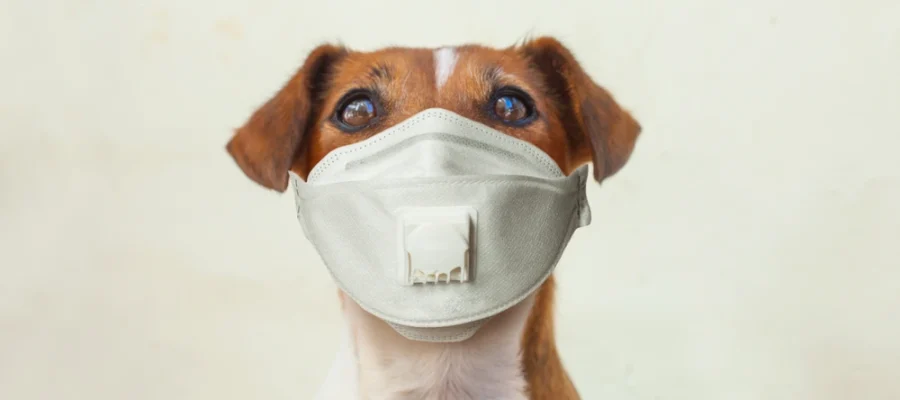
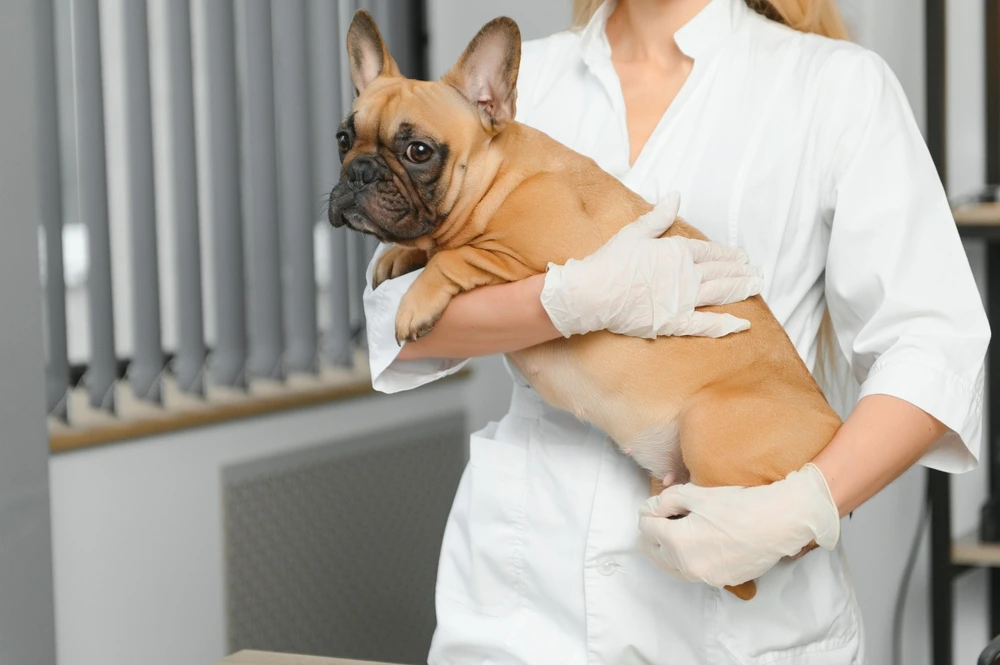
Just like humans, dogs can catch colds too. While it’s usually not serious, being aware of Dog Cold Symptoms helps ensure your furry friend stays healthy and recovers quickly. Whether it’s sneezing, a runny nose, or low energy, cold-like symptoms in dogs should not be ignored—especially in puppies or older dogs.
Content
What Are Common Dog Cold Symptoms?
Dogs show signs of a cold similarly to humans. Here are some typical Dog Cold Symptoms to watch for:
Sneezing and coughing
Runny or congested nose
Watery eyes
Fatigue or low energy
Mild loss of appetite
Low-grade fever
If these symptoms persist or worsen, it could indicate a more serious infection like kennel cough or canine influenza. Senior Dog Cold Symptoms can be more severe due to their weaker immune systems, so special care is needed for older dogs.
How To Treat A Dog With A Cold
When you notice symptoms, it’s crucial to know How To Treat A Dog With A Cold. Start by keeping your dog warm, well-hydrated, and rested. Isolate them from other pets to prevent spreading any potential infection.
For mild cases, home care is often enough. You can also consult a vet to recommend safe Dog Cold Medicine to ease symptoms. Always avoid giving human medications without veterinary approval.
How To Treat A Dog With A Cold Naturally
If you prefer home remedies, there are several natural options for How To Treat A Dog With A Cold Naturally:
Use a humidifier to ease congestion
Offer warm chicken broth (without salt or onion)
Ensure your dog gets enough sleep
Add immune-boosting foods like pumpkin or blueberries in small amounts
Provide warm blankets and a cozy resting spot
Natural treatments can support recovery, but they are not a substitute for veterinary care if the dog worsens.
When Sneezing Is a Sign: How To Treat A Dog With A Cold And Sneezing
Sneezing is common in dogs, but if it’s frequent and accompanied by other symptoms, learn How To Treat A Dog With A Cold And Sneezing. Clean your dog’s nose gently with a soft cloth and ensure they are not exposed to cold drafts. You can use vet-approved nasal drops or steam therapy to open nasal passages.
Dog Cold Symptoms Treatment: What Works Best?
There’s no one-size-fits-all solution for Dog Cold Symptoms Treatment. Mild symptoms can often be treated at home with care and rest, but serious cases may require antibiotics or antivirals. A veterinarian can advise on the best course of Dog Cold Symptoms And Treatment depending on your dog’s age, breed, and health history.
Choosing The Right Dog Cold Medicine
Many pet stores offer Dog Cold Medicine, but it’s essential to choose one made specifically for dogs. Over-the-counter human medicine can be toxic. If your dog has a Runny Nose, look for Dog Cold Medicine For Runny Nose that helps reduce mucus and clear congestion without harsh chemicals.
Conclusion
Recognizing Dog Cold Symptoms early can help prevent more serious health issues. From natural remedies to vet-approved medicines, treating a dog cold requires observation, care, and sometimes professional guidance. Always monitor your pet closely and don’t hesitate to seek veterinary help if symptoms worsen or linger. Learn more about the loyal and energetic Pit Bull Terrier and why this breed stands out as a devoted family companion.
FAQs
How to treat a cold in a dog?
Keep your dog warm, hydrated, and rested. Use vet-approved medicine or natural remedies. Consult a vet if needed.
Do dog colds go away on their own?
Mild dog colds usually go away in a few days, but monitor for worsening symptoms.
How do you know if a dog has a cold?
Look for signs like sneezing, runny nose, watery eyes, tiredness, or loss of appetite.
What do dogs sound like when they have a cold?
They may have snuffly breathing, coughs, or soft sneezing—similar to human cold sounds.

 Mark Maas