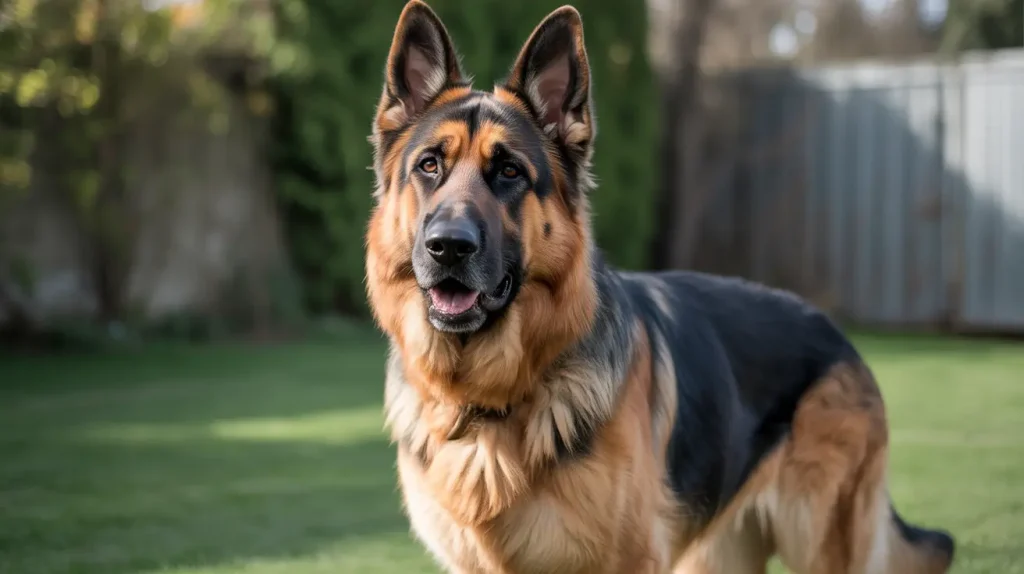
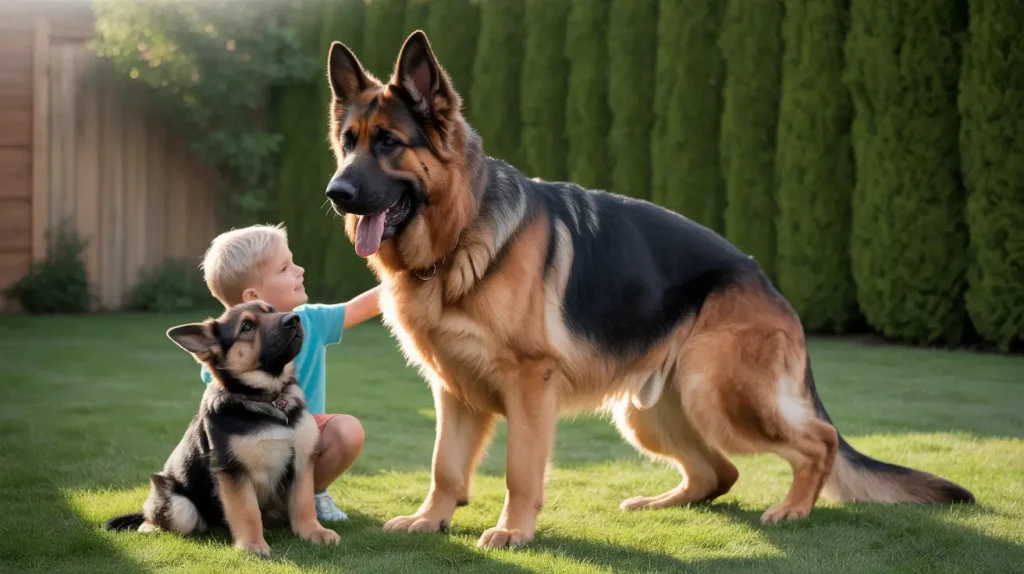
The King German Shepherd is a majestic, large dog breed that has captured the hearts of dog lovers worldwide. Known for its impressive size, loyalty, and intelligence, this breed is a favorite among families and dog enthusiasts seeking a protective, yet affectionate companion. In this guide, we’ll explore everything you need to know about King German Shepherds—from their history and personality traits to training tips, diet, and real-life experiences.
Content
Overview of the King German Shepherd
The King German Shepherd is a large and robust version of the traditional German Shepherd, bred to have stronger bones, a bigger frame, and a calmer temperament. This breed originated in Germany as breeders aimed to enhance the German Shepherd’s size and overall health while preserving its intelligence and loyalty.
Key King German Shepherd characteristics include a long, muscular body, deep chest, and a dense double coat that comes in shades of black and tan, sable, or solid black. While their appearance is striking, what truly makes them remarkable is their balanced personality and strong bond with their human family.
Health and Lifespan
King Shepherds typically live 10–13 years, depending on genetics and lifestyle. Like all large breeds, they are prone to specific health issues such as hip and elbow dysplasia, digestive sensitivities, and occasional heart problems.
Preventive care tips:
Regular vet check-ups every 6–12 months
Joint supplements for large breeds
Balanced diet with high-quality protein
Early detection and proper management can help ensure a long, healthy life for your King German Shepherd.
King German Shepherd Personality and Temperament
One of the defining aspects of the King Shepherd is its personality and temperament. These dogs are intelligent, loyal, and highly trainable. They thrive in environments where they receive proper guidance and mental stimulation.
Behavior Around Family
King German Shepherds are exceptionally family-oriented. They are protective without being overly aggressive and are known to form strong bonds with children. Their gentle nature, combined with alertness, makes them excellent watchdogs.
Interaction with Other Pets
While these dogs are generally friendly with other pets if socialized early, their size and energy require supervision around smaller animals. Socialization is key to ensuring they coexist peacefully with other pets in the household.
Real-Life Case Study
Take Max, a 3-year-old King Shepherd owned by a family in Texas. Max was adopted at 8 weeks, and through consistent training and socialization, he grew into a calm, loving family companion. Max’s owners credit daily walks, puzzle toys, and positive reinforcement training for his well-rounded temperament. Max’s story highlights how a King German Shepherd can adapt seamlessly into family life with the right care and attention.
A balanced diet is essential for the health and growth of a King German Shepherd. Puppies require a nutrient-rich puppy formula, while adults thrive on high-quality protein, healthy fats, and complex carbohydrates.
Best diet for King Shepherd:
Premium dry kibble formulated for large breeds
Lean meats such as chicken, turkey, or beef
Fresh vegetables for fiber and vitamins
Limited treats to prevent obesity
Avoid feeding table scraps, especially foods high in fat or toxic to dogs like chocolate, onions, or grapes. Consistency in feeding routines and portion control is key to maintaining ideal weight and energy levels.
Training and Exercise Tips
How to train a King Shepherd puppy requires patience, consistency, and positive reinforcement techniques. These dogs are intelligent and eager to learn, making them responsive to commands and behavioral guidance.
Training tips:
Start early with basic obedience (sit, stay, come)
Introduce crate training to establish boundaries
Socialize with other dogs and people
Include mental stimulation through puzzle toys and games
Exercise needs: King German Shepherds are active dogs that need daily physical activity. Two long walks per day, along with interactive play and occasional runs, will keep them happy and healthy.
Grooming and Care
Despite their thick coat, King Shepherds are relatively easy to groom. Regular brushing 2–3 times a week keeps shedding under control and prevents matting.
Grooming tips:
Bathe once every 2–3 months or as needed
Trim nails regularly
Clean ears weekly to prevent infections
Brush teeth to maintain oral hygiene
Proper grooming not only enhances their appearance but also contributes to their overall health.
Choosing the Right King Shepherd for Your Home
Before bringing home a King German Shepherd, consider your lifestyle, space, and experience with large breeds. These dogs thrive in homes where they have room to move and a family willing to invest time in training and exercise.
Cost and adoption tips:
Puppies may range from $1,500 to $3,000 depending on pedigree
Consider adopting from reputable breeders or rescue organizations
Avoid breeders who cannot provide proper health clearances
Final Thoughts
The King German Shepherd is a remarkable blend of strength, intelligence, and loyalty. Whether you’re a first-time dog owner or an experienced enthusiast, these dogs can become devoted family members with the right care, training, and attention. By understanding their needs—from diet and exercise to socialization and health—you can ensure your King German Shepherd lives a happy, healthy, and fulfilling life.
If you love learning about unique cat breeds, don’t miss our full guide on the Siberian Forest Cat and its playful, majestic personality.
FAQs
What is a King German Shepherd?
A large, intelligent German Shepherd variant bred for size, loyalty, and calmer temperament.
How much does a King German Shepherd cost?
Prices typically range from $1,500 to $3,000 depending on breeder and pedigree.
Are King German Shepherds rare?
Yes, they are uncommon compared to standard German Shepherds, making them a rare and sought-after breed.
What is the ideal living environment for a King German Shepherd?
They thrive in homes with space to move, a yard, and an active family for exercise and mental stimulation.

 Mark Maas