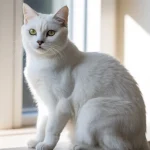
Most pet lovers have seen white cats, but very few have encountered the rare and fascinating albino cat. Unlike regular white-coated cats, these unique felines are born with a genetic mutation that affects pigmentation, making them one of the rarest cats in the world.
When I first met an albino rescue during volunteer work at a shelter, I was struck by its delicate beauty—pale fur, pinkish skin, and shimmering blue eyes. But I also realized that caring for such a cat requires extra thought and responsibility. In this guide, we’ll explore their traits, common health concerns, lifespan, personality, and practical care tips.
Content
What Makes a Cat Albino?
Albinism is the result of a mutation in the TYR gene, which prevents the production of melanin—the pigment that colors skin, fur, and eyes. Because of this, their coats appear completely white, skin takes on a pinkish tone, and eyes often look pale blue or pink.
This is what sets them apart from standard white cats. While a typical white feline still produces some melanin, a true albino lacks it entirely. The distinction isn’t only about looks; it affects their overall health and how they interact with the world.
Albino Cat vs White Cat
It’s easy to confuse the two, but a closer look shows important differences:
Eyes: White cats may have green, gold, or blue eyes. Albinos usually have very pale blue or pinkish ones.
Skin: A white-coated cat has normal pigmentation, while an albino’s skin is noticeably more pink and sensitive.
Health: Cats with albinism are more prone to light sensitivity and skin issues.
Recognizing these signs helps owners understand whether they’re caring for a rare albino or simply a white cat with striking features.
Health Challenges in Albino Cats
Because of their lack of pigment, these felines face certain vulnerabilities. Here are the most common albino cat health issues:
1. Light Sensitivity
Their eyes can’t filter sunlight effectively, which often causes squinting or discomfort in bright conditions. Indoor living and dim lighting help keep them comfortable.
2. Delicate Skin
Sunburn and even skin cancer are real risks. These cats should be kept out of direct sun exposure. UV-blocking window films or shaded spots are useful for indoor enrichment without health risks.
3. Hearing Concerns
While not every cat with albinism is affected, some may have hearing problems. Regular veterinary checks ensure issues are identified and managed early.
Albino Cat Lifespan
With proper care, these cats can live just as long as any other—around 12 to 16 years on average. Their lifespan is not shortened by albinism itself but by secondary risks like sun damage if not properly managed. Providing a safe environment and routine medical care ensures they thrive.
Albinism doesn’t change temperament. In fact, albino cat personality traits mirror those of any other cat. Some are affectionate and playful, while others may be more reserved.
What’s interesting is how their environment shapes their behavior. For example, because of vision sensitivity, many prefer shaded corners or calmer rooms. With patience and love, they often form strong, loyal bonds with their families.
Care Tips for Albino Cats
Owning such a rare feline means being mindful of their special needs. Here are some albino cat care tips:
Keep them indoors: This protects from UV rays and environmental dangers.
Create shaded comfort zones: Window perches with curtains or UV protection allow safe sun-gazing.
Check skin regularly: Especially around ears and nose, where burns are most common.
Adjust lighting: Dim lights help with eye comfort.
Vet visits: Annual exams are essential to monitor vision, skin, and hearing.
With these steps, you’ll make life healthier and more enjoyable for your companion.
Real-Life Case Study: Luna’s Story
To show how proper care makes a difference, let’s talk about Luna, an albino cat rescued in California. When found, she had painful sunburn on her ears and struggled with bright light.
Her new owners committed to keeping her indoors, outfitted windows with UV filters, and scheduled regular vet visits. Within months, Luna’s health improved dramatically. She now spends her days lounging in shaded window spots, playing with interactive toys, and enjoying a stress-free indoor life.
Her story highlights that while these cats have unique needs, with the right care, they can live long, joyful lives.
Myths and Misconceptions
“They’re a separate breed.” False—albinism is a genetic condition, not a breed.
“All albino cats are deaf.” Not true; while hearing issues are possible, many hear perfectly well.
“They don’t live long.” Incorrect—with proper care, their lifespan is completely normal.
Conclusion
True albino cats are rare gems in the feline world. While they require a little extra care—especially regarding sunlight exposure, skin checks, and eye comfort—they can live long, healthy, and loving lives.
Stories like Luna’s show that with patience and awareness, these cats not only survive but truly thrive. For pet owners willing to provide that extra attention, an albino companion offers a one-of-a-kind bond that’s both rewarding and unforgettable.
If you’re interested in active and intelligent dog breeds, check out our guide on the German Shorthaired Pointer.
FAQs
Do albino cats have health issues?
Yes. They may face sunburn, skin cancer, and vision problems due to lack of pigmentation.
How to tell if a cat is albino or just white?
Albino cats have pinkish skin, pale blue or pink eyes, and lack any pigment, unlike regular white cats.
What is the lifespan of an albino cat?
With proper care, albino cats live 12–15 years, similar to most domestic cats.
What is the rarest cat color?
Albino is among the rarest cat colors due to the genetic mutation that causes albinism.

 Mark Maas