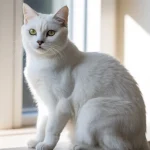
Siberian Forest Cats are one of the most fascinating cat breeds out there. With their majestic coats, playful personalities, and dog-like loyalty, they have become increasingly popular among cat lovers around the world. Whether you’re a first-time cat owner or a seasoned pet parent, understanding the unique traits, care requirements, and temperament of the Siberian Forest Cat is essential before bringing one home. In this guide, we’ll explore everything from their history to grooming tips, along with a real-life case study that highlights what it’s like to live with this exceptional breed.
Content
Origins and History of the Siberian Forest Cat
The Siberian Forest Cat, often referred to simply as the Siberian cat, hails from the snowy regions of Russia. These cats have adapted over centuries to survive harsh climates, developing thick triple-layered coats and strong, muscular bodies. Historically, they were revered in Russian folklore for their resilience and intelligence.
Siberians were initially working cats, helping families keep homes free from rodents. Over time, their affectionate nature and striking appearance made them a favorite companion animal. Today, the breed is recognized worldwide for being hypoallergenic, making them an attractive choice for allergy-sensitive households.
Physical Characteristics
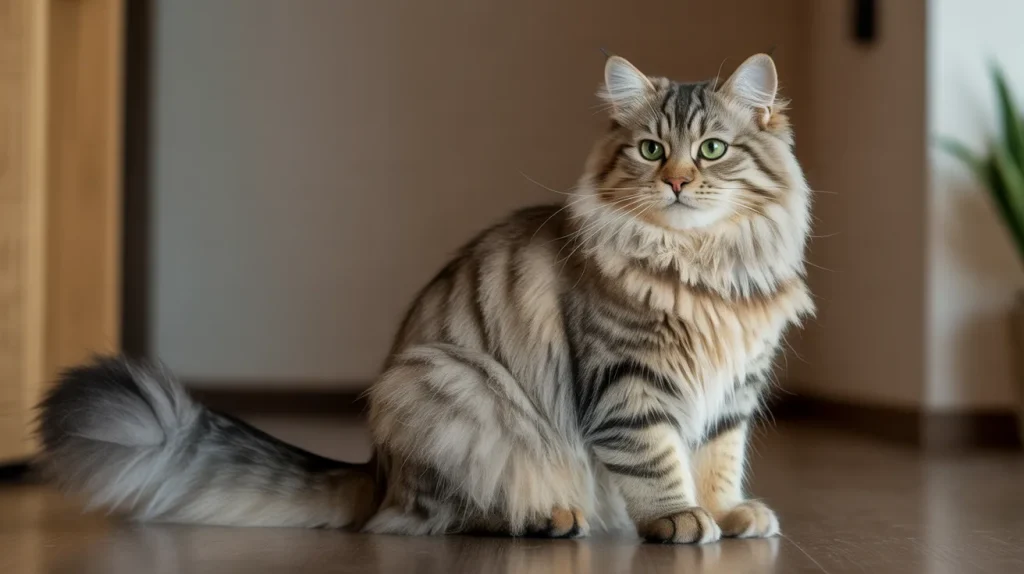
Siberian Forest Cats are truly a sight to behold. Their physical traits make them stand out among long-haired cat breeds.
Size, Weight, and Build
Siberians are medium to large cats with muscular bodies that allow them to be excellent jumpers and climbers. On average, males weigh between 15-20 pounds, while females are slightly smaller at 10-15 pounds. Their strong frames and agile nature make them surprisingly athletic for a long-haired breed.
Eyes and Expression
One of the most captivating features of Siberians is their expressive eyes. They are large, slightly oval, and can come in green, gold, or copper shades. Their alert expression and intelligent gaze give them a lively, almost dog-like personality.
Coat and Colors
The Siberian Forest Cat’s triple-layer coat is designed to withstand cold climates. The dense undercoat, soft middle coat, and longer outer fur create a fluffy, water-resistant finish. Coat colors vary widely — from solid black and white to tabby patterns, including the popular silver and blue shades. Regular brushing is important to prevent matting, especially in kittens and older cats.
Personality and Temperament
The Siberian Forest Cat personality is one of the breed’s most endearing qualities. They are affectionate, intelligent, and social without being overly demanding. Many owners describe them as “dog-like” due to their loyalty and playful nature.
Playfulness: Siberians love interactive toys, climbing towers, and games that challenge their minds.
Affection: They form strong bonds with their family members and often enjoy being near their humans.
Adaptability: This breed adjusts well to new environments, making them suitable for apartments and houses alike.
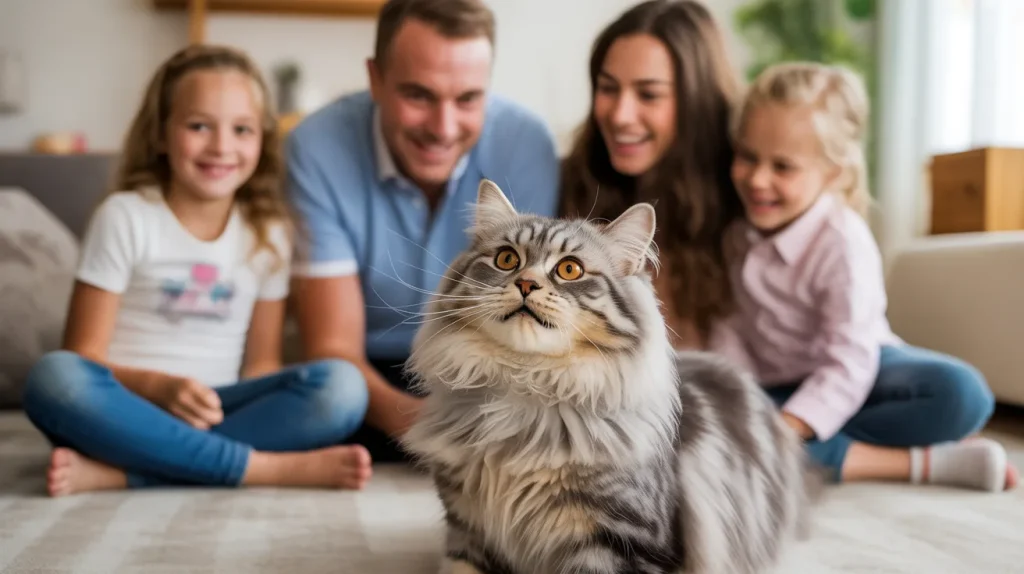
A key advantage of the Siberian cat is that they are gentle with children and often tolerant of other pets, including dogs, which makes them perfect for multi-pet households.
Proper care ensures that your Siberian remains healthy, happy, and well-groomed. Here are some Siberian cat care tips:
Grooming
While Siberians are low-maintenance compared to some long-haired breeds, they still benefit from regular grooming. Brush your cat at least twice a week to prevent tangles and reduce shedding. Pay attention to areas like the underarms and belly, where mats tend to form.
Diet and Nutrition
A protein-rich diet is ideal for these athletic cats. High-quality wet or dry cat food with real meat, combined with occasional treats like cooked fish or chicken, keeps their energy levels high and maintains a healthy coat.
Health Concerns
Siberians are generally healthy cats with a lifespan ranging from 12 to 16 years. Common concerns include hip dysplasia and certain hereditary heart conditions. Routine vet checkups and preventive care are essential.
Real-Life Case Study: Living with a Siberian Forest Cat
Meet Luna, a 3-year-old Siberian Forest Cat adopted by a family in Seattle. When Luna first joined the household, her owners were surprised by her dog-like behaviors: she would fetch toys, greet everyone at the door, and even follow them around the house.
Over the first six months, the family learned the importance of grooming and providing climbing structures. Luna’s playful temperament made her a perfect companion for their 7-year-old child, while her calm demeanor around their older dog proved how adaptable this breed can be. The family describes Luna as the “heart of the household,” showcasing how the Siberian Forest Cat blends affection, intelligence, and energy in a way that few breeds do.
Final Thoughts
The Siberian Forest Cat is a unique blend of beauty, intelligence, and loyalty. From their expressive eyes and luxurious coat to their playful and affectionate nature, they make wonderful companions for families, singles, and multi-pet households alike. By understanding their needs — grooming, diet, socialization, and health — you can ensure a happy and fulfilling life with your Siberian.
If you’re considering adding a Siberian Forest Cat to your home, remember that these cats thrive in environments where they feel loved, engaged, and challenged. Their dog-like personalities and affectionate behavior make them an unforgettable addition to any household.
“For dog owners looking for a loyal and protective companion, learn more about the Anatolian Shepherd and its unique traits.”
FAQs
What is the difference between a Maine Coon and a Siberian Forest Cat?
Maine Coons are larger, with longer fur and a boxier face, while Siberian Forest Cats are more agile with a rounder, dog-like build.
What’s the difference between a Norwegian Forest Cat and a Siberian Forest Cat?
Norwegian Forest Cats have longer, thinner coats and straighter profiles; Siberians are more muscular with thick triple-layer coats.
How can I tell if my cat is a Siberian Forest Cat?
Look for medium-to-large size, a dense triple-layer coat, expressive oval eyes, and a friendly, playful personality.
Are Siberian Forest Cats suitable for apartment living?
Yes, they adapt well to apartments if given climbing space, toys, and mental stimulation to stay active and happy.

 Mark Maas