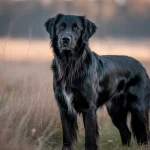
If you’re a dog lover, you’ve probably noticed that some pups have noses that seem to go on forever. These long noses aren’t just adorable—they serve a purpose, helping dogs with scent tracking, hunting, and even keeping cool. Whether you’re considering adding a long-nosed pup to your family or just fascinated by their unique charm, this guide will walk you through everything you need to know about long nose dogs, their traits, breeds, care, and health considerations.
Content
What Is a Long Nose Dog?
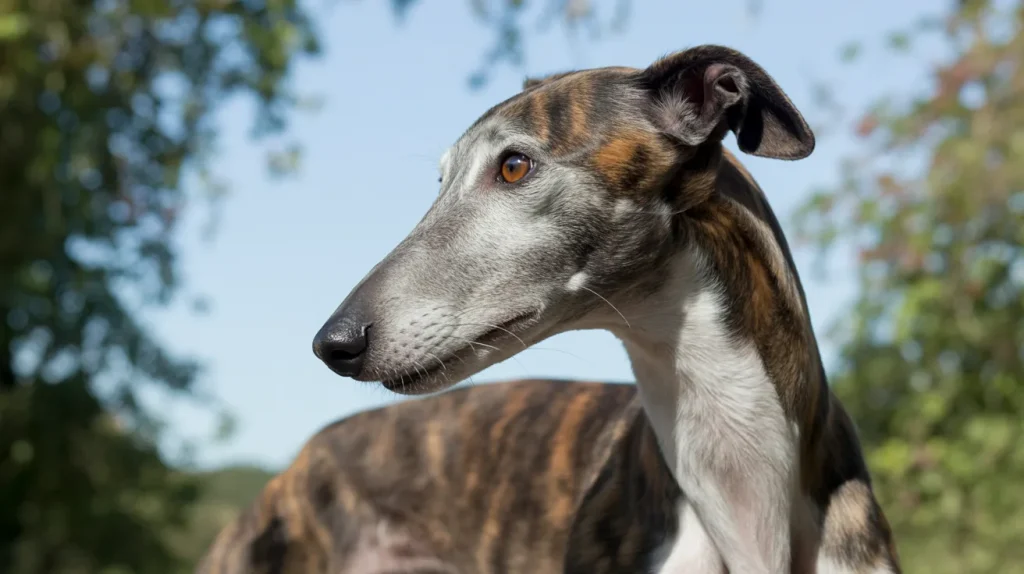
A long nose dog, sometimes referred to as a dog with a long snout or elongated muzzle, has a distinctive facial structure characterized by a long, narrow nose and muzzle. These dogs often excel in scent detection, agility, and hunting, thanks to the shape of their snout.
Many dog enthusiasts find long nose dog breeds elegant, graceful, and full of personality. From the sleek Greyhound to the regal Afghan Hound, these pups are more than just their nose—they’re loyal companions with unique quirks.
Popular Long Nose Dog Breeds
Here are some best long nose dog breeds for families and dog lovers:
1. Greyhound
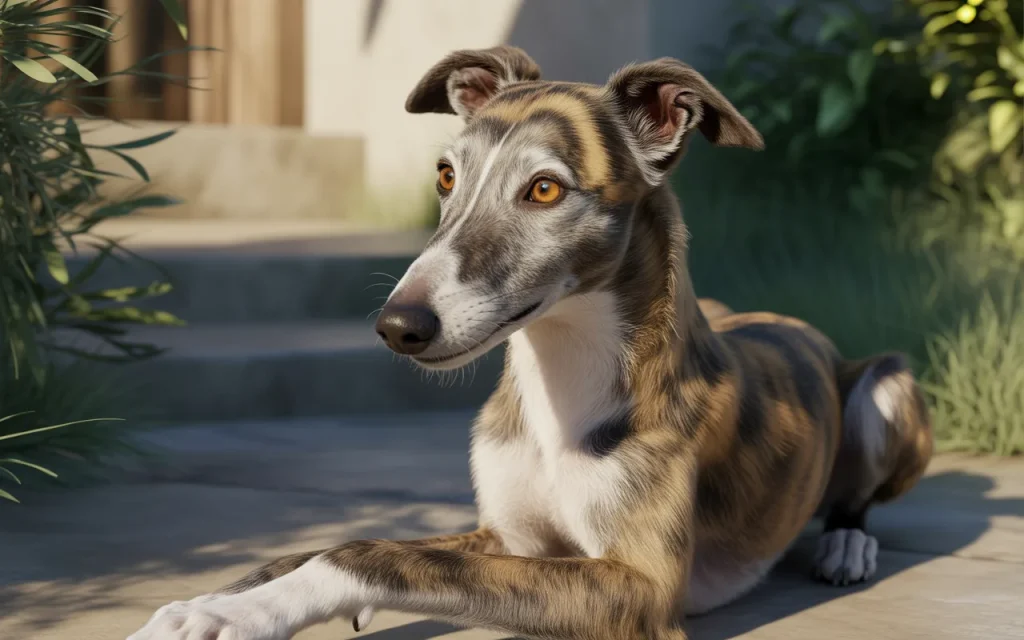
Greyhounds are famous for their speed and slender build. Their long noses help them track prey while racing across open fields. Greyhounds are gentle and affectionate, making them excellent companions for families looking for a calm yet energetic pet.
2. Borzoi
Also known as the Russian Wolfhound, the Borzoi has an elegant, narrow snout. These dogs are intelligent, affectionate, and surprisingly playful, often forming strong bonds with their owners.
3. Afghan Hound
With a long, luxurious snout and flowing coat, Afghan Hounds are strikingly beautiful. Their temperament is often described as independent but loyal to their families, making them suitable for owners with patience and experience.
4. Saluki
Salukis are one of the oldest known dog breeds. They are fast, graceful, and have long noses perfect for scent tracking. Salukis are gentle and reserved, thriving in calm household environments.
5. Collie
Collies have long noses that complement their expressive faces. They are intelligent, friendly, and easy to train, making them perfect for active families who enjoy outdoor activities.
Each breed brings something unique to the table, but all share that distinct long nose dog temperament—graceful, alert, and highly sensitive to their environment.
Personality Traits of Long Nose Dogs
Long-nosed dogs aren’t just visually distinctive—they often share common personality traits:
Intelligence: Many long nose dogs are highly trainable and quick learners.
Alertness: Their keen sense of smell keeps them aware of their surroundings.
Gentleness: Despite their hunting origins, many are calm and affectionate at home.
Playfulness: Dogs like Greyhounds and Collies enjoy running and interactive play.
These traits make them wonderful companions for families, singles, or anyone who enjoys a loyal and attentive pet.
While long noses offer advantages, they also come with common health problems in long-nosed dogs:
Dental issues: The elongated muzzle can sometimes cause teeth misalignment. Regular checkups are essential.
Respiratory health: Long-nosed dogs generally breathe better than flat-faced breeds, but allergies or sinus infections can occur.
Ear infections: Breeds with long noses and droopy ears, like the Borzoi, are more prone to ear problems.
Exercise-related injuries: Active breeds need appropriate exercise to prevent joint or muscle issues.
Tip: Regular veterinary checkups, proper dental care, and a balanced diet go a long way in keeping your long nose dog healthy.
Care and Grooming Tips
Caring for a long nose dog isn’t difficult, but there are some breed-specific considerations:
Coat care: Dogs like Afghan Hounds or Borzois require regular brushing to prevent tangles.
Exercise needs: Greyhounds and Salukis need daily runs or interactive play.
Mental stimulation: Long nose dogs are intelligent and thrive on puzzle toys or training sessions.
Grooming and maintenance: Routine ear cleaning, nail trimming, and dental care are essential for all long-nosed dogs.
These tips will ensure your dog stays happy, healthy, and energetic.
Training Tips for Long Nose Dogs
Training a long-nosed pup can be both fun and rewarding. Keep these points in mind:
Positive reinforcement: Reward good behavior with treats, praise, or play.
Consistency: Regular training sessions create predictable patterns for your dog.
Socialization: Introduce your dog to different people, pets, and environments early on.
Scent games: Use their incredible noses for fun exercises like hiding treats or playing scent-tracking games.
Pro tip: Dogs with long nose dog training tips respond exceptionally well to reward-based methods because they are intelligent and eager to please.
Real-Life Case Study: Max, the Greyhound Explorer
Max, a two-year-old Greyhound, was adopted from a rescue center by a family in Seattle. Initially shy and reserved, Max quickly adapted to his new home thanks to a structured training routine and daily scent games.
Within weeks, Max began participating in family hikes, using his long nose to explore trails, sniff out wildlife, and even help the kids locate hidden toys. Regular vet checkups, a balanced diet, and gentle grooming sessions ensured that Max remained healthy and energetic.
This real-life example shows how understanding your dog’s traits, health needs, and training style can create a strong bond and a fulfilling lifestyle for both pet and owner.
Why Long Nose Dogs Are Special
Long nose dogs combine elegance, intelligence, and loyalty. They excel in scent-based activities, outdoor adventures, and family companionship. Owning one requires awareness of their care needs, grooming, and health considerations, but the rewards are countless moments of joy, companionship, and fun.
Whether it’s their playful nature, unique appearance, or unwavering loyalty, long-nosed dogs leave an impression that lasts a lifetime.
Conclusion
Long nose dogs are more than just their snouts—they are loving, intelligent, and fascinating companions. From understanding their personality traits to providing proper care, exercise, and mental stimulation, you can ensure your dog thrives and brings joy to your life.
If you’re considering adopting a long nose dog, think about your lifestyle, exercise capacity, and commitment to grooming and training. With the right care, these elegant dogs can become cherished family members who fill your home with love, loyalty, and a touch of graceful charm.
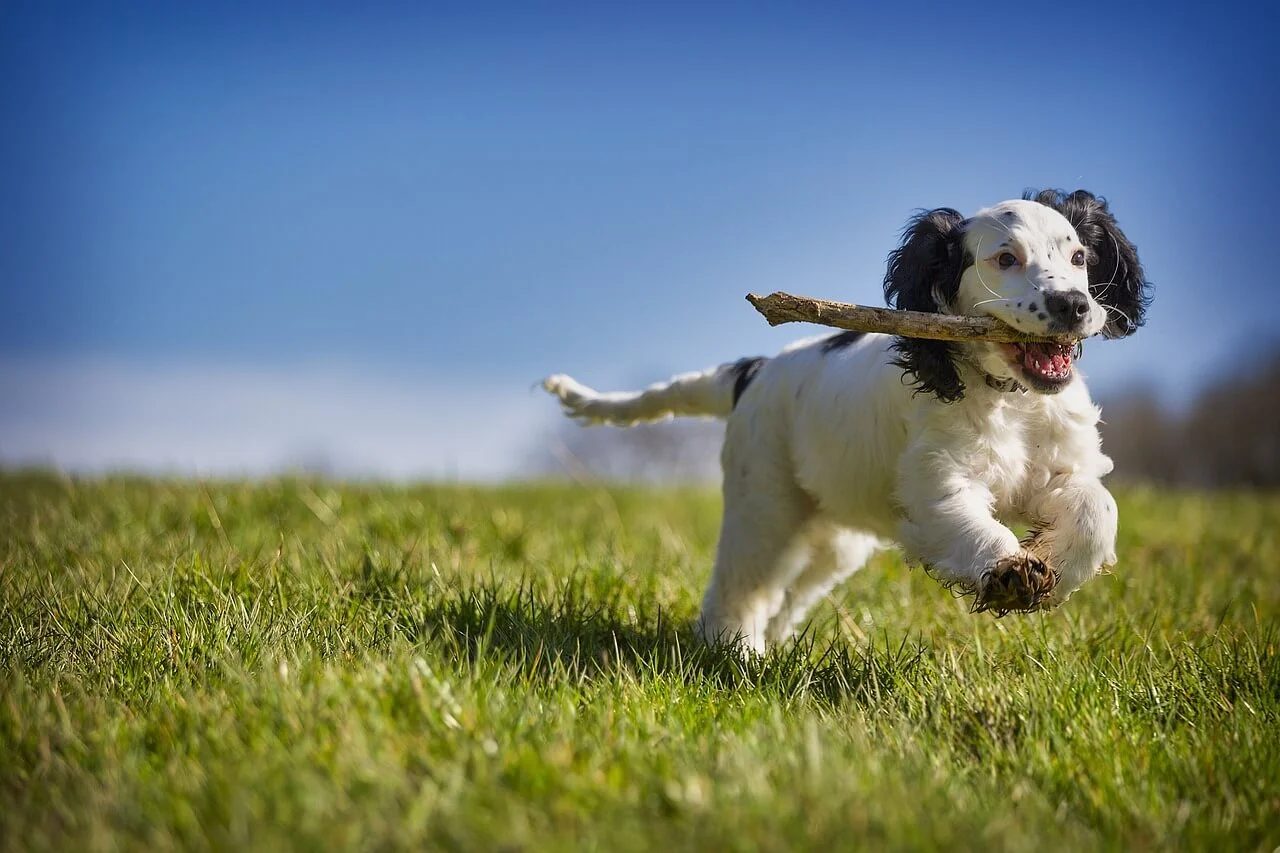
Learn more about the energetic and friendly Brittany Spaniel and how to care for this versatile breed.
FAQs
What breed of dog has the longest nose?
The Greyhound, Borzoi, and Afghan Hound are among dogs with the longest noses.
Do Molossian dogs still exist?
Yes, Molossian-type dogs exist today, mainly as Mastiffs and related breeds.
Are long nose dogs good family pets?
Yes, many of this breeds are gentle, intelligent, and make great companions for families.
How do you care for a long nose dog?
Regular grooming, exercise, dental care, and mental stimulation keeps them healthy and happy.

 Mark Maas