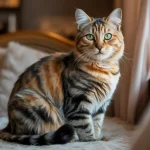
Known for their luxurious coats and calm demeanor, Persian Cats remain one of the most cherished and recognizable feline breeds in the world. With their expressive eyes, round faces, and affectionate temperaments, these elegant cats have captured hearts for generations.
Whether you’re considering adopting a Persian Cat Kitten or simply want to understand this breed’s personality, grooming needs, and history, this complete guide will walk you through everything you need to know.
Content
Characteristics of the Persian Cat
Persian Cats are admired for their quiet and composed personalities. Unlike high-energy breeds such as the Siamese Cat, Persians prefer a calm environment where they can relax and bond gently with their owners. These cats enjoy lounging near a sunny window more than scaling bookshelves or chasing laser toys.
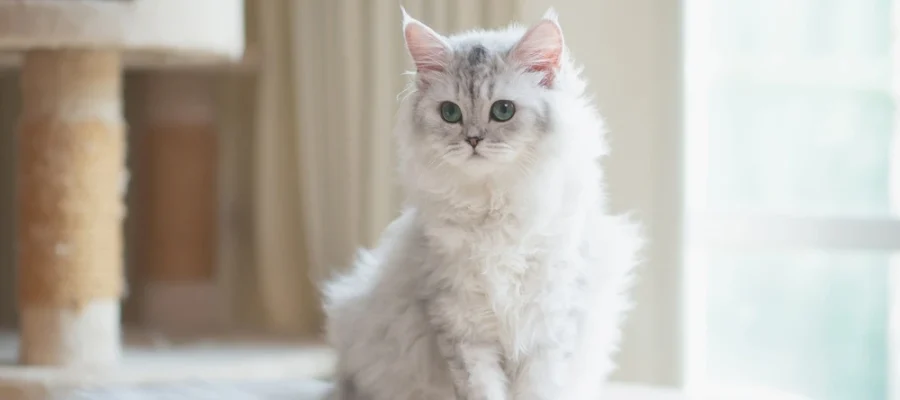
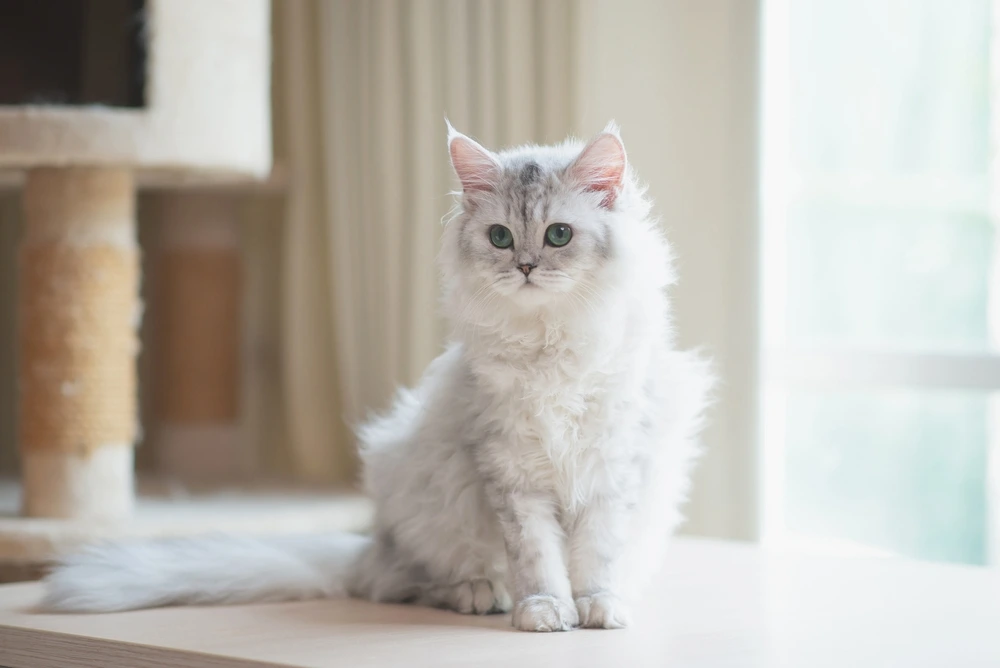
With large eyes, flat faces, and plush coats, they carry an unmistakable air of royalty that matches their peaceful nature.
The History of Persian Cats
Originating from ancient Persia (now Iran), Persian Cats were introduced to Europe in the 1600s. Their exotic appearance quickly gained popularity among nobles and royalty, including Queen Victoria, who helped popularize the breed in Britain.
Through years of selective breeding, the Persian developed its distinctive round face, compact body, and flowing coat that cat lovers admire today.
Caring for a Persian Cat
Grooming Requirements
Persian Cats have one of the most demanding grooming routines in the feline world. Their long coats are prone to tangling and matting without consistent care.
Daily grooming tips include:
Use a wide-tooth comb or soft brush to prevent knots
Wipe tear stains gently with a damp cloth
Bathe monthly using cat-safe shampoo
Consider professional grooming for coat maintenance
Activity and Mental Stimulation
Persians are laid-back, but they still enjoy light play and enrichment. Suitable options include:
Feather wands or soft plush toys
Window perches for birdwatching
Puzzle feeders to engage their minds
Litter Box Maintenance
Their long fur can trap debris easily, so keeping the litter box clean is essential. Use a low-sided box to prevent clumps from sticking to their coat or paws.
Common Health Concerns
Due to their flat facial structure (brachycephalic), Persian Cats are prone to several health issues, including:
Breathing difficulties
Excessive tearing and staining
Polycystic kidney disease (PKD)
Dental misalignment
Regular veterinary check-ups and early screening can help prevent or manage these conditions.
Persian Cat Appearance: Coat and Color Varieties
Persian Cats come in a stunning variety of coat colors and patterns. Popular options include:
Persian Cat White – Pure white fur paired with copper or blue eyes
Persian Cat Black – Shiny and dramatic, exuding elegance
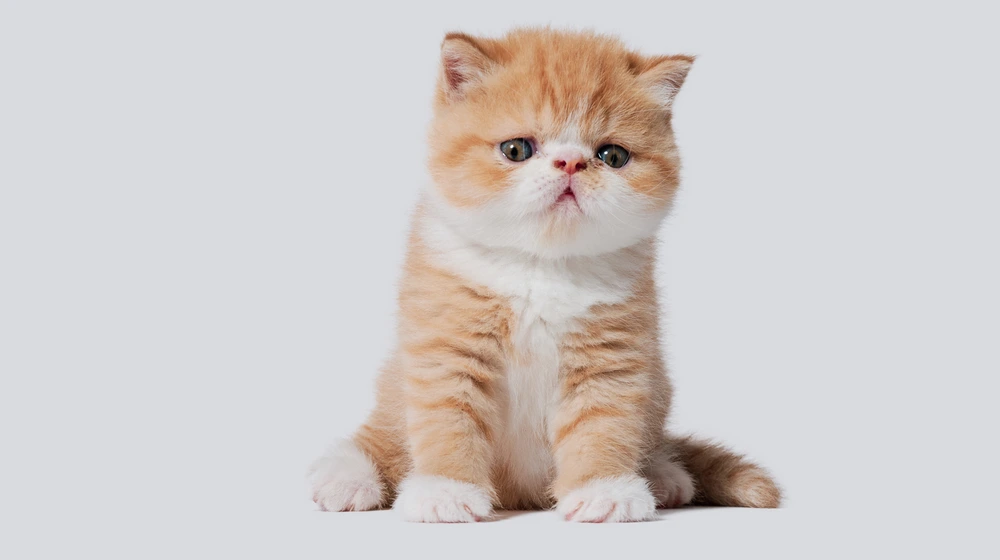
Persian Cat Orange – Also referred to as red or flame, rich and vibrant
Coats can be solid, tabby, bicolor, or calico, adding to the breed’s widespread appeal.
Nutrition and Diet
Feeding your Persian Cat a balanced, high-quality diet is key to supporting their overall health and luxurious coat.
Tips for feeding:
Choose protein-rich food with omega fatty acids
Offer clean, fresh water at all times
Monitor weight and portion sizes to prevent obesity
Use shallow food bowls to accommodate their flat face
Adoption and Buying Tips
Whether you’re adopting from a shelter or purchasing from a breeder, it’s essential to do your homework. Ethical breeders provide health certificates and screen for common genetic conditions like PKD.
Where to find Persian Cats:
Persian cat rescues or local shelters
Reputable breeders with certifications
Adoption events or veterinary referrals
Expect prices to range from $500 to $5,000 depending on age, lineage, and coat color.
Final Thoughts
With their gentle personality, majestic coats, and loving nature, Persian Cats make wonderful companions for those who value peace and elegance in a pet. They thrive in indoor homes where their grooming and health needs are properly managed. If you’re prepared for the commitment, welcoming a Persian Cat Kitten into your life can be an incredibly rewarding experience.
For information on calming anxious pets, read our detailed guide on Trazodone For Dogs.
FAQs
Which is better, Maine Coon or Persian cat?
It depends on your lifestyle—Maine Coons are playful and active, while Persian-Cats are calm and low-energy companions.
Is Persian cat expensive?
Yes, Persian-Cats can be expensive, often ranging from $500 to $5,000 depending on pedigree and color.
Is Garfield a Persian cat?
Garfield is inspired by an orange tabby Exotic Shorthair, a breed closely related to the Persian Cat.
Are Persian cats from Iran?
Yes, Persian-Cats originated from Persia, which is present-day Iran.

 Mark Maas