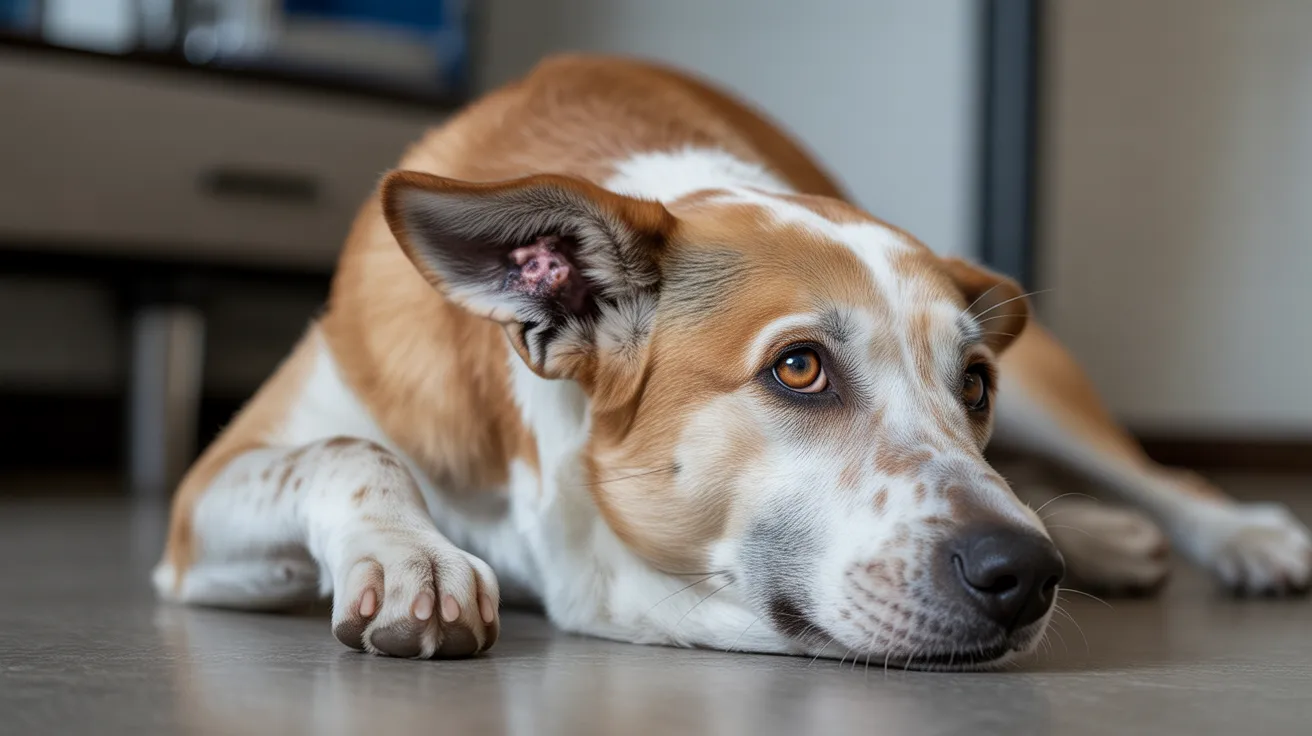
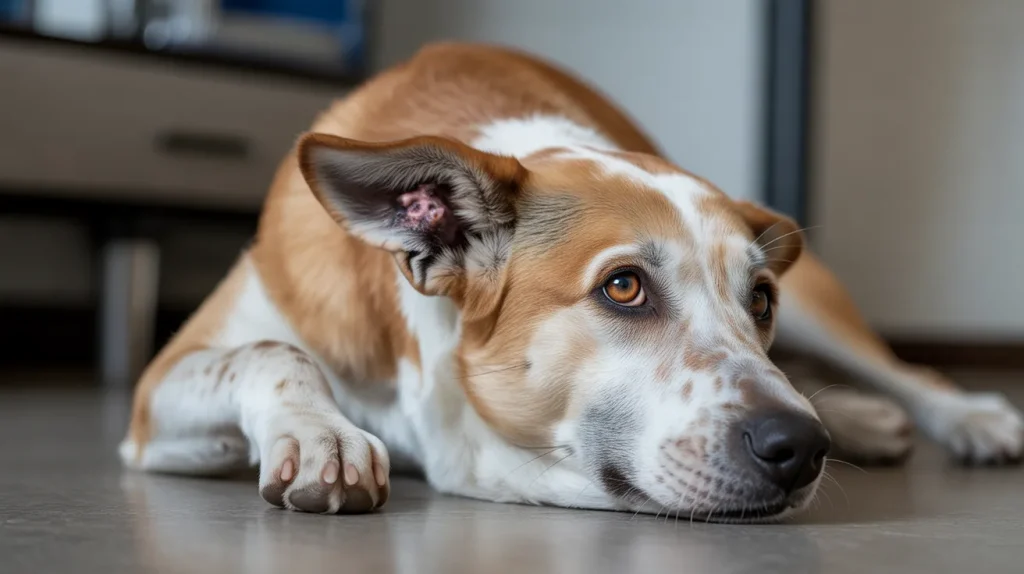
Dog ear problems are among the most common health issues in pets. In my experience working with pet owners, I’ve seen that most cases of Dog Ear Infection begin with mild symptoms but can quickly become painful if ignored. The good news is that with early detection and proper care, most dogs recover fully without long-term complications.
This guide explains everything you need to know about dog ear infections in a clear, professional, and practical way.
Content
What is a Dog Ear Infection?
A Dog Ear Infection occurs when bacteria, yeast, or parasites grow inside the ear canal and cause inflammation. This condition is medically referred to as otitis externa in dogs, which is the most common form of ear infection.
The ear canal provides a warm and moist environment, which allows microorganisms to grow easily, especially if the ears are not cleaned properly or if the dog is frequently exposed to water.
Certain breeds with floppy ears, such as Cocker Spaniels and Golden Retrievers, are more prone to infections due to reduced airflow in the ear canal.
Dog Ear Infection Symptoms You Should Not Ignore
Recognizing early signs of infection is essential for timely treatment. The most common dog ear infection symptoms include:
Frequent head shaking
Scratching or pawing at the ears
Redness inside the ear canal
Unpleasant odor coming from the ear
Yellow, brown, or dark discharge
Swelling of the ear flap
Sensitivity or pain when the ear is touched
Some dogs may also tilt their head or show signs of discomfort when eating or playing. These are often indicators of dog ear pain that should not be ignored.
What Causes Ear Infections in Dogs?
Understanding what causes ear infections in dogs helps prevent recurrence. In most cases, the infection develops due to multiple contributing factors.
The most common causes include bacterial or yeast overgrowth inside the ear canal. Allergies, both food-related and environmental, are another major trigger that leads to chronic inflammation.
Excess moisture from swimming or bathing without proper drying creates a favorable environment for infection. Ear mites are also a common cause, particularly in puppies. In some cases, foreign objects such as grass seeds or dirt can become trapped in the ear and lead to irritation and infection.
Veterinarians often consider ear infections a secondary condition that develops due to an underlying issue rather than a standalone problem.
Types of Ear Infections in Dogs
Dog ear infections are generally classified into three types.
Otitis externa is the most common type and affects the outer ear canal. Otitis media is a middle ear infection that usually develops if outer infections are left untreated. Otitis interna is the most serious form and affects the inner ear, potentially impacting balance and hearing.
Each type requires different levels of treatment and medical attention.
Yeast vs Bacterial Infection in Dog Ears
It is important to understand the difference between yeast and bacterial infections as the treatment approach differs.
Yeast infections typically produce a strong, musty odor along with brown or waxy discharge. Bacterial infections often result in yellow or green discharge, redness, and swelling.
Proper diagnosis is essential because using the wrong treatment can worsen the condition.
How Veterinarians Diagnose Dog Ear Infections
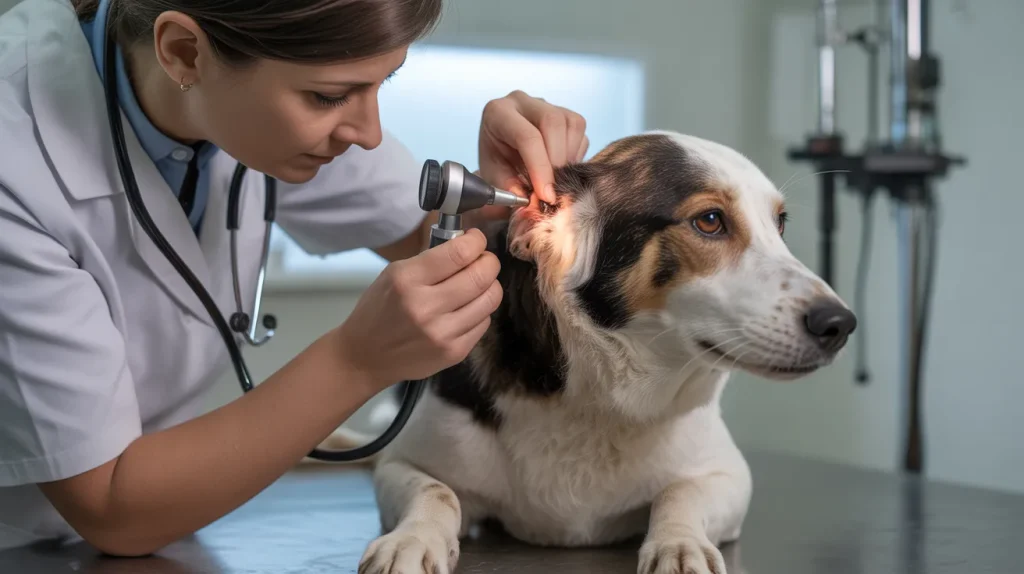
Veterinarians use several methods to diagnose ear infections accurately. These include a physical examination of the ear canal using an otoscope, collecting ear discharge samples, and microscopic analysis to identify bacteria, yeast, or parasites.
Accurate diagnosis ensures that the treatment plan targets the exact cause of the infection.
Dog Ear Infection Treatment Options
Treatment depends on the severity and cause of the infection. Common treatment options include medicated ear drops designed to treat bacteria, yeast, or inflammation. Oral antibiotics may be prescribed for more severe cases.
Veterinarians may also recommend ear cleaning solutions to remove debris and excess wax. Pain relief medication may be used if the dog is experiencing discomfort. In rare and severe cases, surgical intervention may be required.
Many pet owners search for how to treat dog ear infection at home, but home care should always be done cautiously and ideally under veterinary guidance.
Safe home care includes gently cleaning the outer ear with a vet-approved solution and keeping the ears dry after bathing or swimming. Preventing excessive scratching is also important, sometimes requiring the use of a protective collar.
It is important not to use human ear medications or unverified home remedies, as these can worsen the infection or cause further irritation.
Real-Life Case Study: Max’s Recurring Ear Infection
One of my clients had a Labrador named Max who suffered from recurring ear infections every few months. Initially, the owners believed it was due to poor hygiene. However, after veterinary evaluation, the underlying cause was identified as food allergies.
Max showed symptoms such as head shaking, foul odor, and brown discharge from the ears. The diagnosis revealed a combination of yeast infection and allergy-related inflammation.
The treatment plan included switching to a hypoallergenic diet, implementing a regular ear cleaning routine, and using prescribed anti-yeast medication for two weeks. Within three weeks, Max showed significant improvement, and after long-term dietary changes, the infections stopped recurring.
This case highlights the importance of identifying and treating the root cause rather than only addressing the symptoms.
Prevention Tips for Dog Ear Infections
Preventing ear infections is more effective than treating them repeatedly. Dogs prone to canine ear infection require consistent ear care.
Ears should be kept dry after swimming or bathing. Regular cleaning with veterinarian-approved solutions helps maintain ear hygiene. Weekly inspection of the ears can help detect early signs of infection such as redness or odor.
Managing allergies is also essential in preventing recurring infections. Over-cleaning should be avoided as it can irritate the ear canal and increase vulnerability to infection.
When Should You See a Vet?
You should consult a veterinarian if symptoms persist for more than a few days, if there is visible swelling or severe pain, or if there is heavy discharge or bleeding from the ear.
Balance issues or signs of disorientation are also serious indicators that require immediate medical attention. Delayed treatment can lead to chronic infection or permanent damage.
Conclusion
A Dog Ear Infection is a common but manageable condition when identified early. Understanding the symptoms, causes, and treatment options is essential for effective care. Most importantly, addressing the underlying cause rather than just the infection itself is key to preventing recurrence.
From clinical experience, dogs recover best when owners remain consistent with ear care routines and follow veterinary guidance closely. With proper attention, most dogs can maintain healthy ears and avoid recurring infections.
Learn more about your dog’s diet and safety in our guide on Can Dogs Eat Potatoes? to understand whether potatoes are safe for dogs and how to feed them properly.
FAQs
How can I treat my dog’s ear infection at home?
Safe home care includes cleaning the outer ear with a vet-approved solution, keeping ears dry, and preventing scratching. Always follow vet guidance for proper treatment.
Does dog ear infection heal on its own?
No, most dog ear infections do not heal on their own. Without treatment, they often worsen and may lead to pain, chronic infection, or hearing issues.
Will hydrogen peroxide clear up a dog’s ear infection?
No, hydrogen peroxide is not recommended. It can irritate the ear canal and delay healing. Always use vet-approved ear cleaning or medication instead.
What are the first signs of a dog’s ear infection?
Early signs include head shaking, scratching ears, redness, mild odor, and slight discharge. Dogs may also show discomfort when the ear is touched.

 Mark Maas