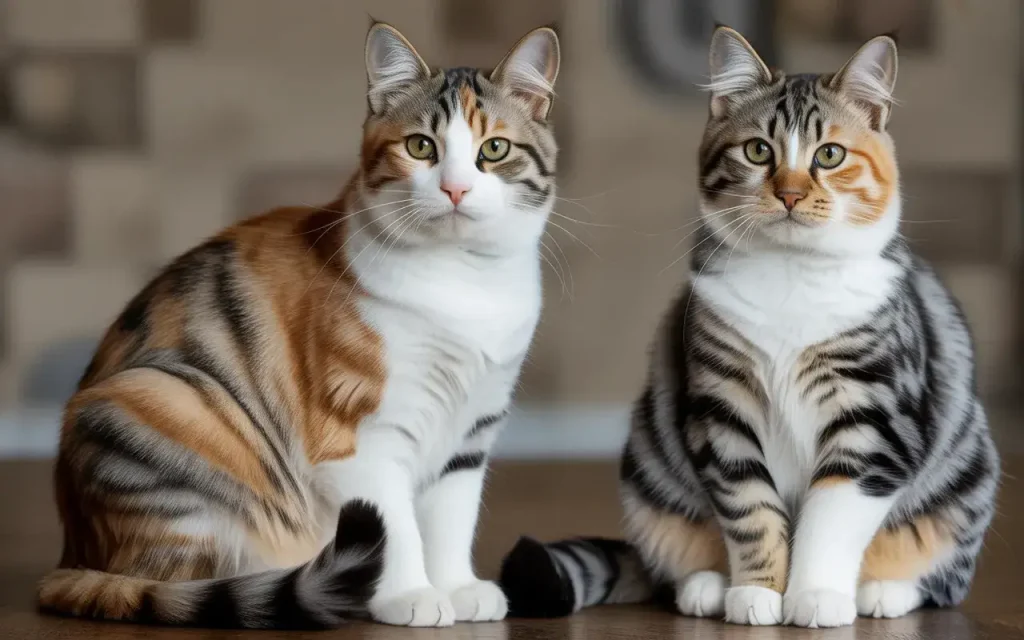
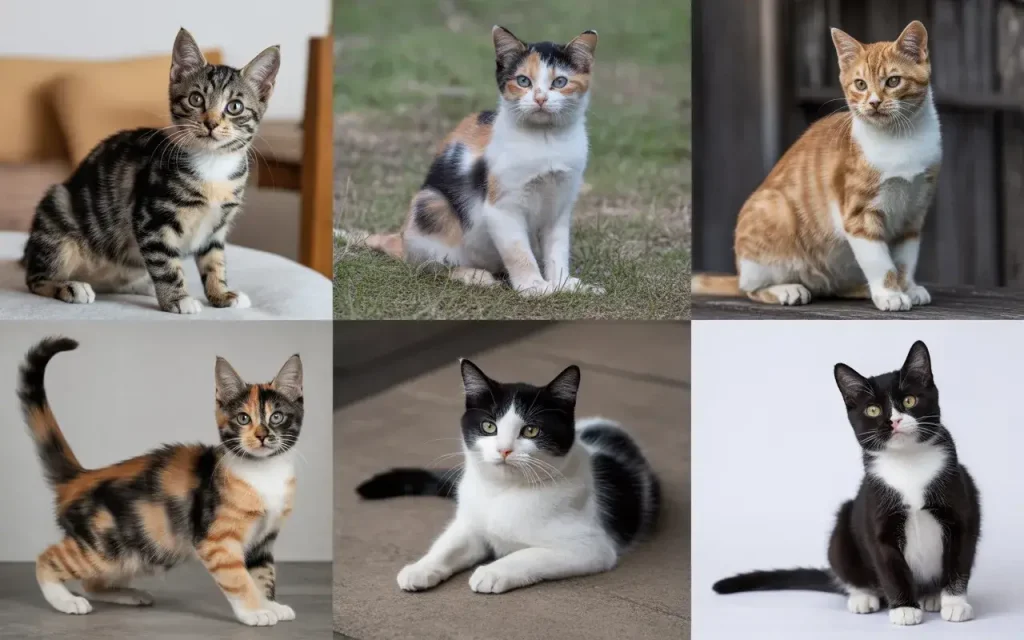
Cats have fascinated humans for centuries, not just for their playful antics or soothing purrs but also for the incredible variety of their fur patterns. Whether it’s the classic stripes of a tabby or the striking patches of a calico, each cat’s coat tells a story of genetics, breed history, and sometimes even personality. Understanding cat fur patterns can deepen your appreciation for your feline friend and help you identify breeds, care for their coats properly, and even predict potential health considerations related to certain patterns.
In this guide, we’ll explore the different types of cat fur patterns, their colors, and unique markings. Along the way, we’ll share real-life examples and tips from personal experiences that make these patterns come alive.
Content
Understanding Cat Fur Patterns
Before diving into specific types, it’s important to understand what cat fur patterns are and how they are formed. Essentially, a cat’s coat pattern is determined by genetics, with factors like pigment distribution, gene interactions, and breed lineage playing major roles.
For instance, a cat’s coat can be solid, patterned, or a combination of colors and markings. Cat coat types, cat fur texture, and cat markings are essential to understanding the diversity we see. In practice, even within the same breed, no two cats are exactly alike — making each coat unique.
How Cat Fur Patterns Are Formed
Cat fur patterns are more than just aesthetics — they are a product of complex genetics. Genes control pigment type (black/brown or red/orange), the distribution of color, and whether patterns appear as stripes, spots, or solids.
For example:
Tabby patterns are controlled by the agouti gene, which causes hair to have alternating bands of color.
Colorpoint patterns, like in Siamese cats, are temperature-sensitive; darker fur appears on cooler areas like paws and ears.
Calico and tortoiseshell cats usually have a unique combination of black, orange, and white due to X-chromosome inactivation in females.
Understanding these patterns is not just fun; it’s also practical for predicting coat changes as kittens mature, or recognizing potential health concerns associated with certain color-linked traits.
Common Types of Cat Fur Patterns
Here’s a breakdown of the most familiar cat fur patterns, with examples and tips for identification:
1. Tabby Cats
Tabby cats are perhaps the most common. They have distinctive stripes, dots, or swirling patterns. Variations include:
Mackerel Tabby: Vertical stripes along the body, resembling a fish skeleton.
Classic Tabby: Swirling patterns and bold markings.
Spotted Tabby: Spots instead of stripes.
Ticked Tabby: Each hair has bands of multiple colors, giving a salt-and-pepper appearance.
2. Solid / Self-Colored Cats
Solid-colored cats, such as black, white, or gray, have uniform fur without markings. While simple in appearance, the shine, texture, and density can vary.
3. Bi-Color and Tuxedo Cats
These cats feature two colors, usually white paired with black, gray, or brown. The classic tuxedo cat has a black coat with a white chest, paws, and sometimes facial markings.
4. Tricolor Cats: Calico and Tortoiseshell
Calico cats have three distinct colors, typically black, orange, and white.
Tortoiseshell cats blend black and orange without white patches.
These patterns are almost exclusively seen in female cats due to genetic factors, making them especially unique.
5. Colorpoint Cats
Cats like Siamese, Himalayan, and Ragdoll show darker “points” on their ears, face, paws, and tail. This pattern is temperature-sensitive and can darken or lighten with the environment.
6. Spotted and Rosetted Cats
Breeds like the Bengal cat showcase spotted or rosetted patterns, resembling miniature wild cats. This gives them an exotic appearance, even in domestic settings.
7. Rare Patterns: Silver, Smoke, and Shaded
Silver cats have white undercoats with darker tips.
Smoke cats appear darker but reveal lighter undercoats when fur moves.
Shaded cats gradually transition from dark tips to lighter roots, creating a gradient effect.
Understanding cat fur patterns by breed and color is valuable if you want to predict adult appearance in kittens or identify mixed-breed cats.
Maine Coon: Often tabby with long hair and bushy tails.
Siamese: Recognized for colorpoint patterns.
Bengal: Known for spotted or marbled patterns.
Persian: May be solid, shaded, or bicolor.
Even in mixed breeds, observing tabby stripes, calico patches, or point colors can give insight into ancestry and personality traits.
Tips for Understanding Your Cat’s Fur Pattern
Observe Changes: Cats’ coats can darken or lighten with seasons, age, or health changes.
Groom Regularly: Brushing helps reveal patterns and keeps the coat healthy.
Document for Identification: If you have multiple cats, taking photos can help distinguish similar-looking patterns.
Consider Personality Correlations: Many cat enthusiasts note subtle behavior differences in patterned cats — for example, playful tabbies or independent tortoiseshells.
Real-Life Case Study: “Mittens the Calico”
Mittens, a calico cat adopted from a local shelter, is a great example of unique fur patterns influencing personality and interaction. When she was first brought home, her tri-color coat made her instantly recognizable among other cats in the neighborhood. Over time, her owner observed that her calico patches seemed to coincide with her playful and curious personality — she preferred to explore colorful toys and often hid in sunlit spots that highlighted her orange and black patches.
From a practical standpoint, her pattern also helped with health monitoring. During a routine vet visit, her white patches revealed subtle skin issues that might have gone unnoticed on a fully dark coat. This demonstrates that understanding cat fur patterns isn’t just about beauty — it can support everyday care.
Conclusion
Cat fur patterns are far more than just aesthetics. From tabby stripes to rare rosetted coats, each pattern tells a story of genetics, breed history, and individuality. By observing your cat’s coat and learning about different patterns, you gain insight into their personality, heritage, and even health needs.
Whether you own a calico, tabby, colorpoint, or solid-colored cat, taking the time to understand their unique markings can deepen your connection and make caring for them even more rewarding.
“Learn more about the majestic Siberian Forest Cat and its unique fur patterns and traits.”
FAQs
What are the most common cat fur patterns?
Common patterns include tabby, solid, bi-color, calico, and colorpoint, each with unique markings.
How do I identify my cat’s fur pattern?
Look at color distribution, stripes, spots, or patches like tabby stripes or calico patches.
Do cat fur patterns affect a cat’s health or behavior?
Patterns don’t determine health but help spot skin issues; some patterns may hint at personality traits.
Can cat fur patterns change over time?
Yes, patterns can lighten or darken with age, seasons, or environmental factors.

 Mark Maas