The Domestic Shorthair Cat is one of the most beloved and versatile feline companions in the world. With their vibrant mix of coat colors—like black, grey, orange, and black and white—and a personality that ranges from playful to peaceful, these cats fit effortlessly into nearly any home. Thanks to their mixed-breed background, they’re known for being hardy, affectionate, and low-maintenance. In this guide, you’ll discover everything you need to know about their lifespan, personality, care tips, and what makes them such a purr-fect match for cat lovers of all kinds.
Content
What Makes a Domestic Shorthair Cat Unique?
The Domestic Shorthair isn’t a pedigree breed—it’s a diverse mix of natural feline genetics. That variety results in cats with endless combinations of looks and personalities.
Beyond appearances, these cats are celebrated for their strong health, adaptable nature, and low-maintenance needs. They’re a great choice for families, seniors, and solo pet parents alike.
A Natural History Rooted in Everyday Life
The Domestic Shorthair has a long legacy intertwined with human history. Descended from ancient cats used for pest control, they likely accompanied traders, settlers, and farmers as loyal mousers.
Their role in protecting homes and food supplies helped spread them worldwide, evolving over centuries into the affectionate, sturdy cats we know today.
Coats, Colors & Features
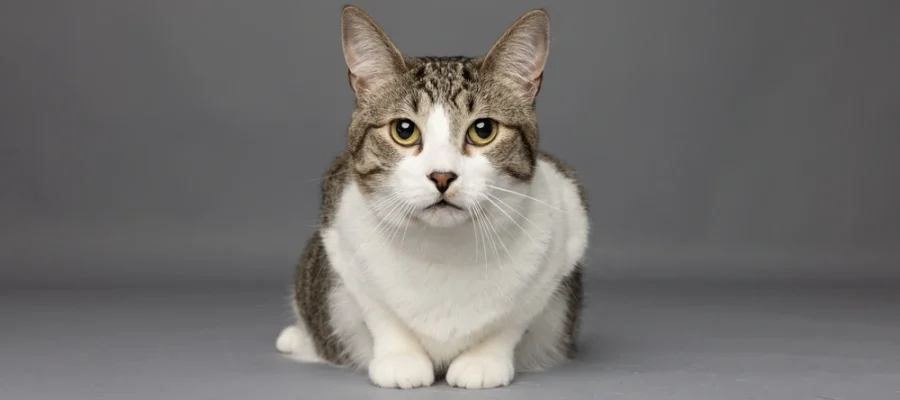
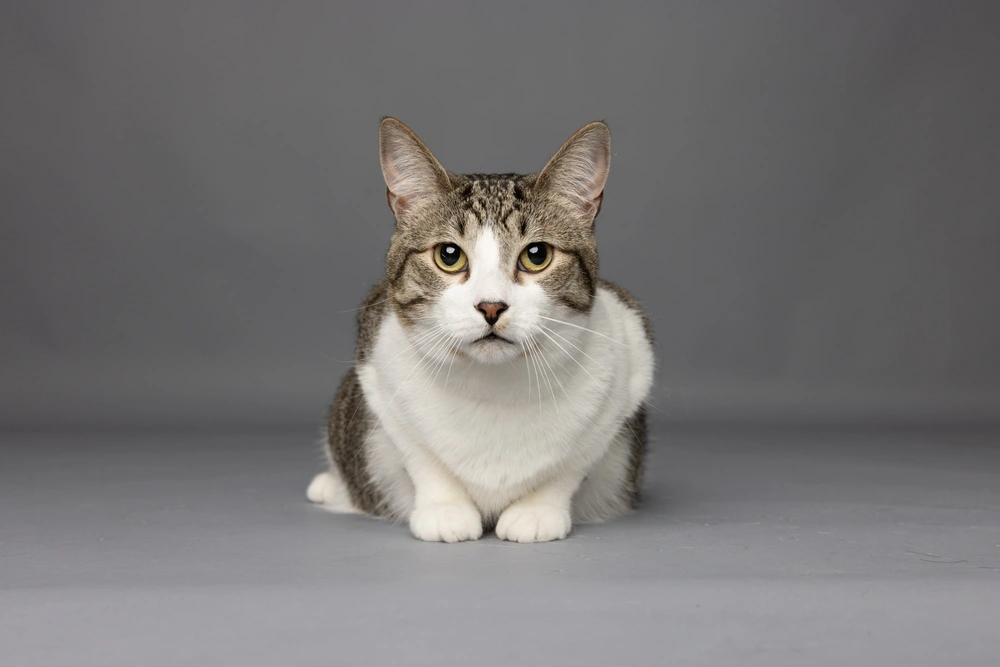
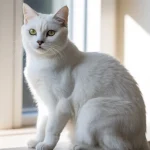
You’ll never find two Domestic Shorthairs that look exactly alike. Their coats are short, sleek, and come in a rainbow of patterns and shades:
Domestic Shorthair Cat Orange – Bold and bright, with fiery charm
Domestic Shorthair Cat Black – Elegant, sleek, and often affectionate
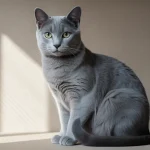
Domestic Shorthair Cat Grey – Calm and cool-toned companions
Domestic Shorthair Cat Black And White – Tuxedo-patterned favorites
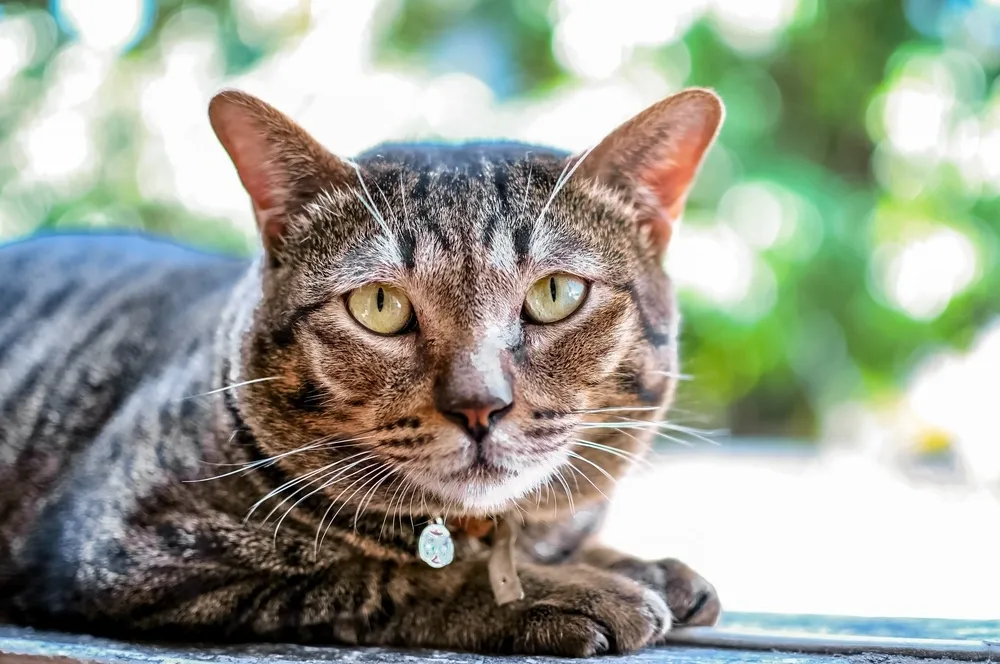
Domestic Shorthair Tabby Cat – Spotted, striped, or swirled in every variety
Their eye colors range from amber and gold to green and blue—just one more way these cats express their individuality.
Domestic Shorthair Cat Personality
What defines a Domestic Shorthair Cat Personality is its unpredictability—in the best way possible. While some are lap cats through and through, others are independent adventurers.
Most DSH cats are:
Playful and curious
Affectionate but not overly clingy
Smart and observant
Adaptable to various living situations
Their personalities often evolve with time and environment, making them fascinating companions.
Domestic Shorthair Cat Lifespan & Health
With proper care, the Domestic Shorthair Cat Lifespan can reach 12 to 20 years. Their genetic diversity gives them an edge over many purebreds when it comes to avoiding inherited illnesses.
To keep them thriving, provide:
Balanced, portion-controlled nutrition
Enrichment through toys and interactive play
Regular vet checkups and dental care
Preventative treatments for parasites and illness
How to Care for a Domestic Shorthair
Do:
Brush weekly to minimize shedding
Offer scratchers and climbing options
Rotate interactive toys to prevent boredom
Observe behavior changes and consult your vet early
Don’t:
Overfeed—weight gain can sneak up fast
Skip routine flea/worming even for indoor cats
Leave them unstimulated—they need engagement
Assume one-size-fits-all—they’re each unique
Common Health Issues in Domestic Shorthairs
Though generally robust, some conditions can affect Domestic Shorthairs:
Condition
Symptoms
Approx. Vet Cost
Obesity
Weight gain, lethargy
$300–$800/year
Dental Disease
Bad breath, difficulty eating
$500–$1,200
Urinary Tract Issues
Straining, frequent urination
$600–$1,000
Diabetes
Weight loss, excessive thirst
$1,000–$2,000/year
Hyperthyroidism
Hyperactivity, increased appetite
$800–$1,500/year
Preventative care and prompt treatment can dramatically improve outcomes.
Domestic Shorthair Cost
Adopting a Domestic Shorthair Cat is often affordable. Most shelters charge $50–$200, and that usually covers basic vaccinations, desexing, and microchipping.
Ongoing annual costs for food, litter, and healthcare average $800–$1,200, depending on lifestyle and health.
Should You Adopt a Domestic Shorthair?
If you want a cat with personality, resilience, and charm, the Domestic Shorthair is a winning choice. Their diverse appearances and behaviors make them endlessly interesting, while their laid-back, friendly nature makes them easy to love.
Whether you choose a bold Domestic Shorthair Orange, a sleek Domestic Shorthair Black, or a cuddly Domestic Shorthair Tabby Cat, you’ll be bringing home a cat with character—and possibly a lifelong friend.

 Mark Maas