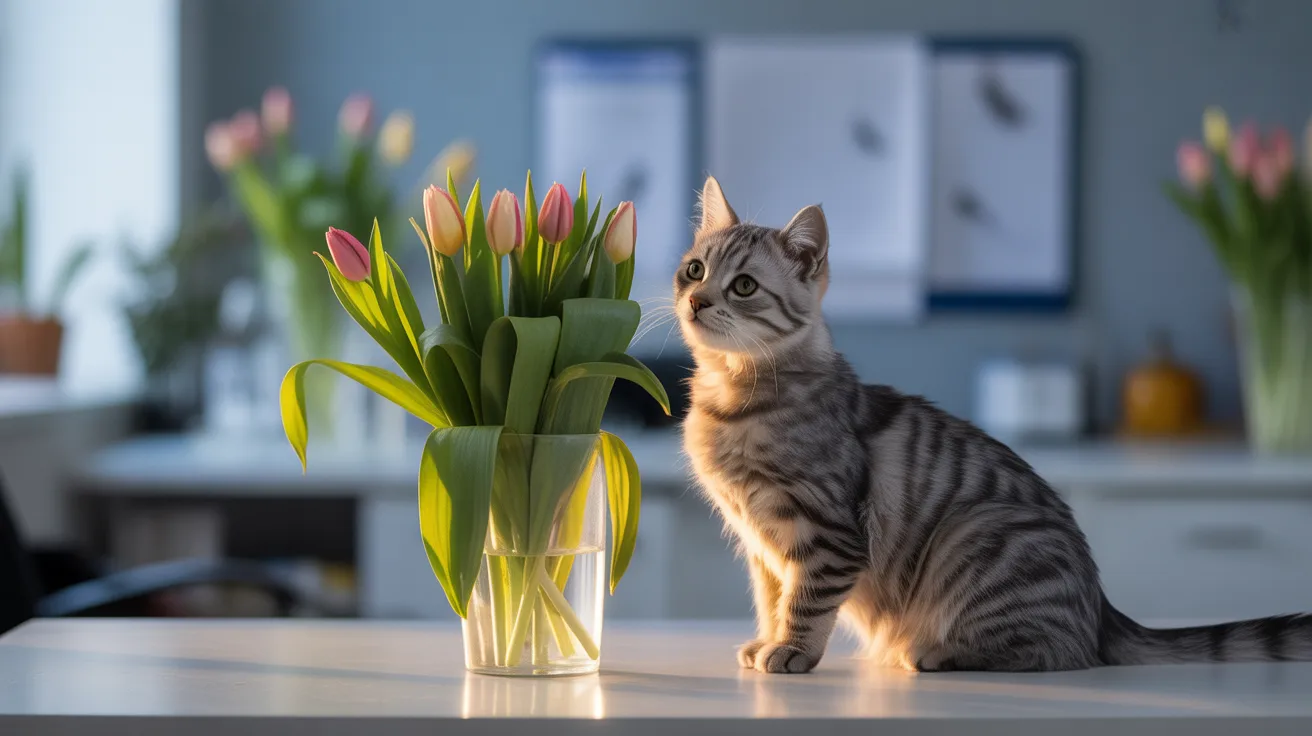
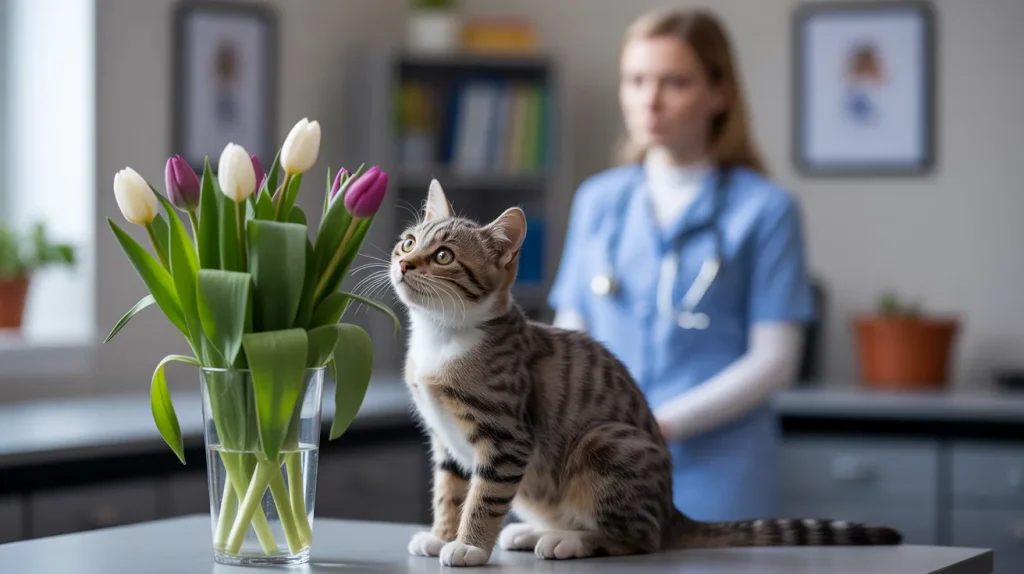
If you’re a cat owner who enjoys decorating your home with fresh flowers, you may have wondered: Are tulips toxic to cats? The answer is yes. Tulips are toxic to cats and can cause a range of health problems if ingested, from mild irritation to more serious gastrointestinal distress.
As someone experienced in pet care content and research-based writing, I’ve seen many cases where common household plants unexpectedly lead to emergency vet visits. Tulips are one of those plants that often seem harmless but can pose a real risk to curious cats.
Content
Are Tulips Toxic To Cats?
Yes, tulips are toxic to cats. They contain chemical compounds known as tulipalin A and tulipalin B, which are irritating and harmful to a cat’s digestive system.
If you are asking are tulips toxic to cats if eaten, the answer is definitely yes. Even small amounts can cause discomfort, especially if a cat chews or swallows parts of the plant.
Tulips are classified among toxic flowers for cats, and the highest risk comes from the bulb, which contains the most concentrated toxins.
Why Tulips Are Dangerous for Cats
Tulips produce natural toxins that protect the plant from pests, but these compounds are harmful to animals. When a cat ingests any part of the plant, these chemicals can irritate the mouth, stomach, and intestines.
This condition is commonly referred to as tulip poisoning in cats. The severity depends on how much of the plant is consumed and which part was eaten.
Even indirect exposure, such as chewing petals or drinking water from a vase containing tulips, may lead to mild symptoms.
What Parts of Tulips Are Toxic to Cats?
All parts of the tulip plant are considered unsafe for cats, but some parts are more dangerous than others.
The bulb contains the highest concentration of toxins and is the most dangerous part.
Leaves and stems contain moderate levels of toxic compounds.
Petals are less toxic but still unsafe if ingested.
Vase water may contain trace toxins if plant material is submerged.
If you are wondering what parts of tulips are toxic to cats, the most important thing to understand is that the entire plant should be considered unsafe, especially the bulb.
What Happens If A Cat Eats A Tulip?
If a cat consumes tulip material, symptoms usually appear within a few hours.
Common effects include:
Drooling or pawing at the mouth
Vomiting
Diarrhea
Loss of appetite
Lethargy
These are early feline poisoning signs and should not be ignored.
In more severe cases, symptoms may progress to weakness, dehydration, or tremors. While tulip ingestion is rarely fatal, it can become serious if a large amount is consumed, particularly the bulb.
Symptoms of Tulip Poisoning in Cats
The symptoms of tulip poisoning in cats depend on the level of exposure but generally include:
Excessive drooling
Oral irritation
Vomiting or nausea
Diarrhea
Reduced energy levels
Loss of appetite
These signs typically appear quickly after ingestion and can worsen if untreated.
Can Tulips Kill Cats or Make Them Sick?
A common concern among pet owners is whether tulips can be deadly. In most cases, tulip ingestion causes illness rather than death. However, severe exposure, especially to the bulb, can lead to more serious complications.
So while tulips are not among the most lethal plants for cats, they are still considered dangerous and should be kept out of reach.
If you suspect your cat has eaten tulips, take immediate action:
First, remove any remaining plant material from your cat’s mouth or environment to prevent further ingestion. Then check for visible symptoms such as drooling or vomiting.
Contact a veterinarian as soon as possible, even if symptoms are mild. Do not attempt home treatments or induce vomiting unless specifically instructed by a professional.
Careful monitoring is essential for the next several hours to ensure symptoms do not worsen.
Why Cats Are Attracted to Tulips
Cats are naturally curious animals, and this curiosity often leads them to chew or investigate household plants.
They may be drawn to tulips because of movement, texture, or simple boredom. Indoor cats in particular are more likely to interact with plants since they rely heavily on environmental stimulation.
Even well-behaved cats may suddenly show interest in flowers placed on tables or near windows.
Plants Harmful to Cats Beyond Tulips
Tulips are just one example of plants harmful to cats. Several other common plants can also pose risks, including lilies, daffodils, azaleas, and sago palm.
Understanding plant toxicity is important for maintaining a safe environment, especially in homes with indoor cats.
Safe Flower Alternatives for Cat Owners
If you enjoy having flowers at home, there are safer options available that are considered pet-safe flowers, such as roses (without pesticides), orchids, sunflowers, spider plants, and African violets.
These options allow you to decorate your home without exposing your cat to unnecessary risks.
Real-Life Case Study: Tulip Exposure in a Domestic Cat
A pet owner once shared a case involving her indoor cat, Milo. During spring, she placed a tulip arrangement on her dining table. Although Milo had never shown interest in plants before, curiosity got the better of him.
He knocked over the vase and chewed on a few petals. Within two hours, he began showing signs of drooling and vomiting. Concerned, the owner took him to a veterinarian.
The vet confirmed mild tulip poisoning in cats. Fortunately, because treatment was given quickly, Milo recovered within a day with supportive care and fluids.
The vet explained that ingestion of the bulb could have resulted in much more severe symptoms, highlighting the importance of immediate action.
Prevention Tips for Cat Owners
Preventing exposure is the most effective way to protect your cat. Avoid keeping tulips in your home or garden where your cat can access them.
Place all decorative plants out of reach or opt for elevated shelves. Educate family members about the risks associated with toxic flowers.
Whenever possible, choose pet-safe alternatives to reduce the risk of accidental poisoning.
Final Thoughts: Are Tulips Toxic To Cats?
Tulips are beautiful flowers, but they are not safe for cats. Understanding the risks associated with tulip poisoning in cats, recognizing early symptoms, and knowing how to respond can make a significant difference in your pet’s health.
While tulip exposure is rarely fatal, it can still cause discomfort and distress. Keeping toxic plants away from curious cats is one of the simplest and most effective ways to ensure their safety.
If you want to learn about another common feline breed, check out our detailed guide on the Domestic Longhair Cat, including its personality, care needs, and characteristics.
FAQs
What happens if my cat sniffs tulips?
Sniffing tulips may cause mild irritation, but toxicity usually occurs only if a cat chews or ingests parts of the plant.
Can I have tulips in my house with a cat?
It’s not recommended, as tulips are toxic to cats and even small exposure increases the risk of accidental ingestion.
How fast do symptoms show if a cat licks a tulip?
Symptoms can appear within a few hours after licking or chewing tulip parts, depending on the amount and sensitivity.
What should I do if my cat ate a tulip?
Remove any plant material immediately and contact a veterinarian quickly for guidance, even if symptoms are not visible yet.

 Mark Maas