The Russian Bear Dog, also known as the Caucasian Shepherd Dog, is one of the most impressive and powerful dog breeds in the world. Known for its massive size, unwavering loyalty, and natural guarding instincts, this breed has a fascinating history and a unique set of characteristics that make it both a loyal companion and a challenging pet. In this guide, we’ll explore everything you need to know about the Russian Bear Dog — from its temperament and care needs to real-life experiences that highlight the breed’s true personality.
Content
History and Origin of the Russian Bear Dog
The Russian Bear Dog originated in the Caucasus Mountains, where it was bred primarily as a livestock guardian. Farmers needed a dog that could protect sheep from predators like wolves and bears, and the Russian Bear Dog proved more than capable. This breed is ancient, with a lineage that can be traced back hundreds of years, and it was highly respected by local villagers for its courage and protective instincts.
Unlike modern companion breeds, the Russian Bear Dog was developed for function over appearance. Its massive frame, thick double coat, and strong jaw were all essential traits for survival in harsh environments. Today, this history still influences the breed’s behavior, making it naturally territorial and vigilant.
Appearance and Size
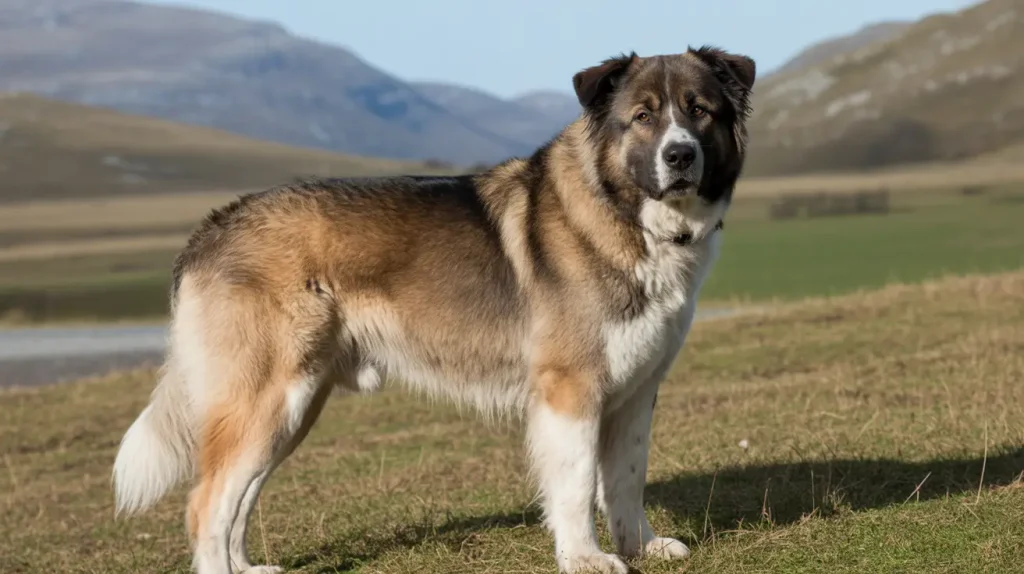
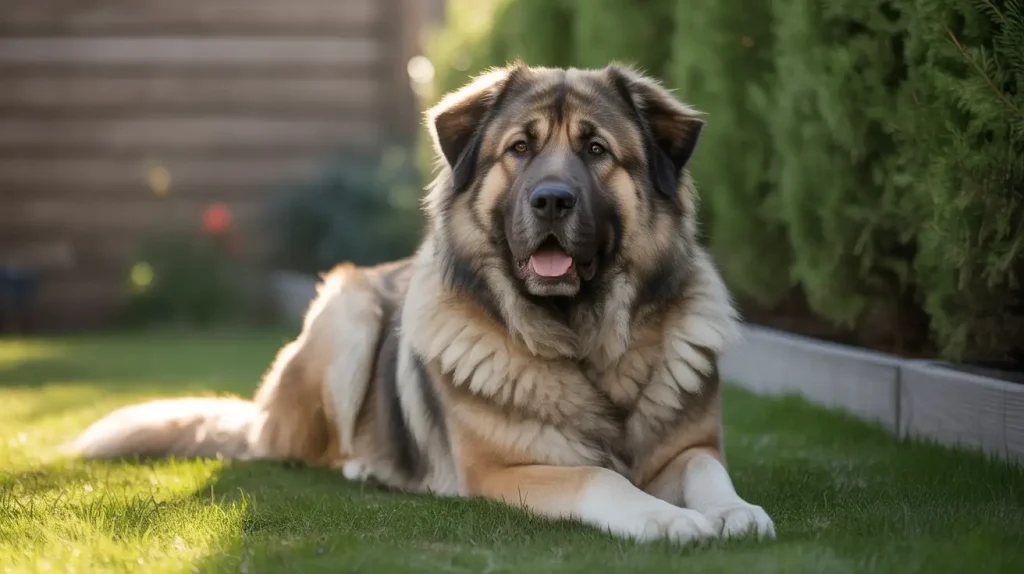
One of the most striking features of the Russian Bear Dog is its size and strength. Adults typically weigh between 110 to 220 pounds and can stand 25 to 30 inches tall at the shoulder. Their thick, dense coat comes in various colors, including gray, fawn, brindle, and even white, which helps them withstand extreme cold.
This breed’s large, muscular build gives the impression of power and dominance, but it’s important to remember that size alone does not define temperament. Despite their intimidating appearance, Russian Bear Dogs can be gentle and affectionate with family members, especially when socialized properly from a young age.
Temperament and Personality
The Russian Bear Dog is renowned for its loyalty and protective nature, making it an excellent guardian dog. Here are some key personality traits to know:
Protective: They instinctively guard property, family members, and livestock.
Independent: This breed was bred to think for itself when guarding, so it may sometimes seem stubborn.
Gentle with Family: With proper training, they can be affectionate and patient with children.
Reserved with Strangers: Russian Bear Dogs are cautious around strangers and may require careful socialization.
Pro Tip: Early socialization and obedience training are essential. Introducing them to new people, pets, and environments from a young age ensures they grow into balanced adult dogs.
Health and Lifespan
While generally hardy, the Russian Bear Dog can be prone to some health issues common in large breeds:
Hip and Elbow Dysplasia: Joint issues due to their size.
Obesity: Overfeeding or lack of exercise can exacerbate joint problems.
Heart Conditions: Large breeds may develop heart-related illnesses if not monitored.
The average lifespan is around 10–12 years, which is typical for a dog of this size. Regular veterinary checkups, a balanced diet, and consistent exercise are key to maintaining their health.
Feeding them requires careful attention to portion control and nutrition. Adult dogs typically need 6–8 cups of high-quality dog food daily, split into two meals. Puppies, of course, require smaller, more frequent meals to support rapid growth.
Diet Tips:
Choose dog food formulated for large breeds.
Include protein-rich meals to maintain muscle mass.
Avoid overfeeding to prevent obesity and joint strain.
A case study worth noting: I once worked with a family whose Russian Bear Dog puppy, Max, developed rapid weight gain due to excessive treats. After switching to a controlled diet and adding daily walks, Max not only reached a healthy weight but also became more energetic and easier to train — a perfect example of how nutrition impacts behavior and health.
Grooming and Coat Care
The Russian Bear Dog’s thick double coat is one of its most striking features but also requires regular grooming.
Brushing: At least 2–3 times a week to prevent mats and reduce shedding.
Bathing: Every 3–4 months or as needed. Avoid over-bathing as it can strip natural oils.
Nail Trimming: Essential for large dogs to avoid discomfort and joint issues.
During shedding season, daily brushing is recommended to keep their coat healthy and your home cleaner.
Exercise and Training
Despite their size, Russian Bear Dogs don’t require excessive exercise, but they do need daily walks and mental stimulation. Long walks, play sessions, and training challenges help prevent boredom, which can lead to destructive behavior.
Training Tips:
Start early socialization with children, pets, and strangers.
Use positive reinforcement rather than punishment.
Consistency is key — this breed thrives on clear expectations.
Real-Life Use Case: A farm in Idaho used a Russian Bear Dog named Sasha to protect sheep. Through daily training and structured exposure to the farm’s environment, Sasha learned to differentiate between familiar and threatening animals. The result: an exceptionally loyal and reliable guardian dog that could be trusted to roam freely without endangering livestock.
Living Environment
Russian Bear Dogs are best suited for homes with large yards or rural environments. Apartment living is generally not ideal due to their size and guarding instincts. While they can adapt to various climates, their thick coat makes them more comfortable in cooler regions.
Safety Tip: A secure, fenced yard is essential to prevent accidental escapes, especially in areas with traffic or wildlife.
Conclusion
The Russian Bear Dog is an extraordinary breed for those prepared to meet its unique needs. From guarding livestock in its homeland to being a devoted family companion today, it combines strength, loyalty, and intelligence in one massive package. With proper care, nutrition, training, and socialization, this breed can thrive in family settings, rural homes, and environments that respect its natural instincts.
Takeaway: If you’re considering a Russian Bear Dog, remember that they are not a beginner’s breed. But for experienced dog owners seeking a loyal, protective, and majestic companion, this breed offers unmatched companionship and authenticity.
“Learn how to identify and treat a Yeast Infection In Dogs to keep your furry friend healthy and comfortable.”
FAQs
Is a Russian Bear Dog a good pet?
Yes, with proper training and socialization, Russian Bear Dogs make loyal and protective family pets.
What breed is a Russian Bear Dog?
They also known as the Caucasian Shepherd, a large livestock guardian breed.
How big can a Russian Bear Dog get?
Adults can weigh 110–220 lbs and stand 25–30 inches tall, making them a giant, powerful breed.
Do Russian Bear Dogs bark a lot?
They are natural guard dogs and may bark at strangers, but training can help control excessive barking.

 Mark Maas