The Anatolian Shepherd is one of the world’s oldest and most revered livestock guardian dogs. Originally bred in Turkey to protect flocks from predators, these dogs are known for their intelligence, independence, and remarkable loyalty. As a pet expert who has observed this breed both in rural farm settings and in suburban homes, I can say that Anatolian Shepherds are not just working dogs—they’re devoted companions for those who understand their unique needs.
In this guide, we’ll explore everything about the Anatolian Shepherd dog breed, from temperament and training tips to health concerns and daily care. We’ll also share a real-life case study to give a genuine insight into owning this extraordinary breed.
Content
Introduction to the Anatolian Shepherd
The Anatolian Shepherd is a large, powerful, and protective dog. Historically, these dogs were used to guard livestock against wolves, bears, and other predators. Their size alone is imposing—they can weigh anywhere from 80 to 150 pounds with a height ranging from 27 to 29 inches at the shoulder. Despite their imposing appearance, they are calm and affectionate with families they trust.
Interesting fact: The breed’s strong protective instincts mean they are naturally territorial. Early socialization is essential to ensure they recognize friend from foe.
Anatolian Shepherd Appearance and Size
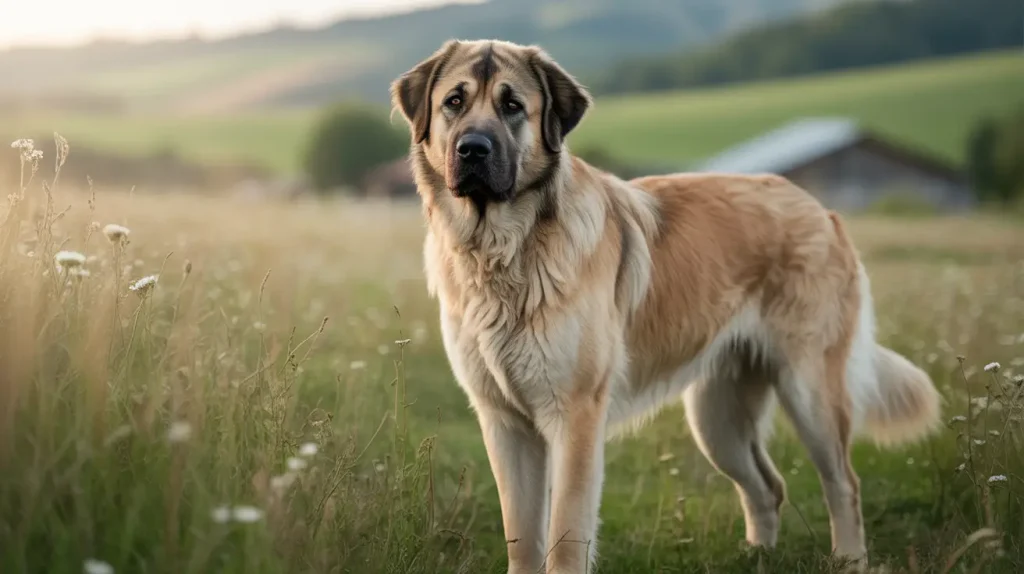
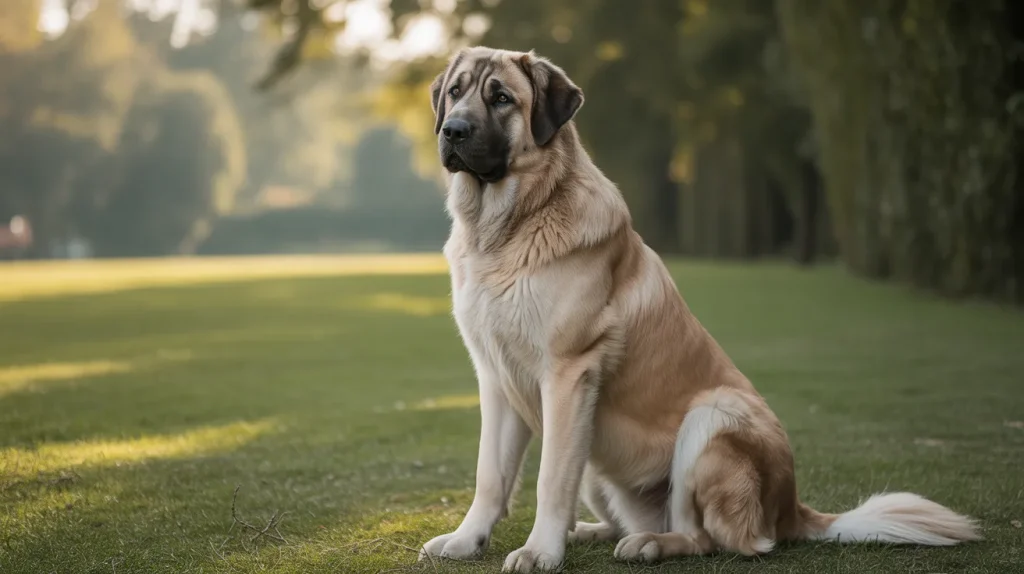
Anatolian Shepherds are majestic, well-built dogs with a dense double coat that protects them from harsh climates. Their coat colors range from fawn to brindle, often with a black mask, though pure white varieties exist.
Weight: 80–150 lbs
Height: 27–29 inches
Coat: Short to medium-length double coat
Lifespan: 11–13 years on average
These dogs may appear intimidating, but their loyal and gentle nature shines through once they are part of the family.
Personality and Temperament
The Anatolian Shepherd temperament is a unique blend of independence, intelligence, and protectiveness. They are naturally cautious of strangers but deeply loyal to their owners. Key personality traits include:
Strong guarding instincts
High intelligence and problem-solving ability
Calm demeanor when properly socialized
Affectionate with family but reserved with visitors
Real-life insight: One of my clients, Sarah, has an Anatolian Shepherd named “Kara.” Kara spent her first six months learning boundaries and became remarkably protective of her home. Today, she greets guests politely after understanding they are family friends. This example demonstrates the importance of early training and consistent socialization.
Training an Anatolian can be challenging due to their independent nature. Unlike other dog breeds, they often think for themselves and may not respond immediately to commands. Using positive reinforcement and consistent routines is crucial.
Start early: Begin training and socialization at 8–12 weeks.
Use rewards: Treats, praise, and affection work better than harsh corrections.
Expose to people and pets: Early interactions help prevent aggression or territorial behavior.
Set boundaries: Anatolian Shepherds respond well when they understand their role in the family hierarchy.
Tip: Incorporate mental stimulation like puzzle toys and obedience games to challenge their intelligence.
Diet, Nutrition, and Exercise Needs
A well-balanced diet is crucial for how to care for an Anatolian. Due to their size and active nature, they require high-quality protein sources and controlled portions to maintain a healthy weight.
Feed a high-protein, large-breed dog food.
Avoid overfeeding to prevent joint issues.
Provide daily exercise: 1–2 hours of walking, play, or yard time.
Health Issues and Lifespan
The Anatolian Shepherd lifespan and health guide indicates that these dogs are generally healthy but prone to some breed-specific issues:
Hip and elbow dysplasia – common in large breeds; maintain healthy weight.
Entropion – inward-rolling eyelids; may require veterinary correction.
Sensitivity to anesthesia – notify vets before surgeries.
Regular veterinary check-ups and preventive care can ensure a longer, healthier life, often reaching 11–13 years.
Grooming and Maintenance
Anatolians have a double coat that is relatively low-maintenance but does require regular attention:
Brushing: Weekly to remove loose hair and prevent matting.
Bathing: Only as needed to maintain coat health.
Ear care: Clean weekly to prevent infections.
Nail trimming: Monthly or as needed.
The key is consistency; grooming also doubles as an opportunity to monitor their health closely.
Is the Anatolian Shepherd Right for You?
These dogs are best suited for experienced dog owners or those with large yards. They thrive in environments where they can move freely and use their natural guarding instincts constructively.
Considerations:
Not ideal for small apartments
Require early and consistent socialization
Benefit from an active family or farm setting
Case Study Highlight: Sarah’s Anatolian Shepherd, Kara, adjusted perfectly to a suburban home because Sarah invested time in socialization, mental stimulation, and consistent training. Without this effort, Kara could have become overprotective or stressed.
Conclusion
Owning an Anatolian Shepherd can be a rewarding experience if you understand their temperament, provide consistent training, and cater to their physical and mental needs. From guarding livestock to being a loyal family companion, these dogs combine intelligence, strength, and affection in a way few breeds can.
For those considering adopting an Anatolian, early socialization, proper nutrition, and preventive health care are essential. With the right environment, patience, and guidance, your Anatolian can thrive for over a decade as a devoted and loving companion.
If you love learning about unique pets, check out our guide on the Seal Point Cat and its care tips
FAQs
Is an Anatolian Shepherd a good family dog?
Yes, Anatolian are loyal and protective, making them great family pets with proper training and socialization.
Which is better, Great Pyrenees or Anatolian Shepherd?
Both are guardian breeds; Anatolian are more independent, while Great Pyrenees are gentler and more social.
How much does an Anatolian Shepherd Dog cost?
Prices range from $800 to $2,500 depending on breeder, lineage, and location.
Which is bigger, Kangal or Anatolian Shepherd?
Kangals are generally larger and heavier; Anatolian are slightly smaller but still powerful and strong.

 Mark Maas