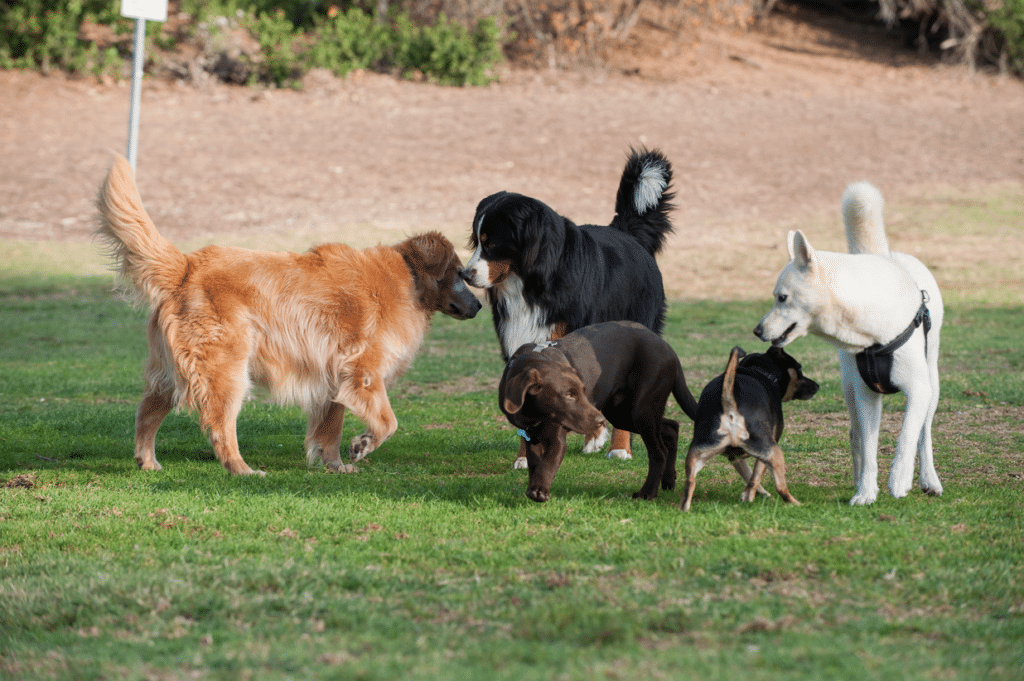
Basic obedience training is not enough to have a well-adjusted dog. Socialization is a major factor. It shapes how your dog reacts to other animals, people, and new surroundings.
When applied properly, socialization can be effective in averting:
Fear
Anxiety
Reactive behavior.
But it is not about exposing a dog to all things at once. It entails guided experiences. The goal is to help your pup develop confidence in the long run.
Content
Gradual exposure to new experiences
Positive socialization is a gradual process. Do not introduce your puppy to many new experiences simultaneously. It may get overwhelmed. This leads to negative associations.
You are supposed to introduce new environments slowly. Start with:
Serene parks
Quiet residential lanes
Secure outdoor places.
Choose places where your dog can view various objects and noises without strain.
Give your dog time to explore. If they seem shy, leave them to it and wait. The goal is for your dog to feel secure and assisted throughout new experiences. This builds confidence.
Unproblematic interactions with other dogs
Most individuals believe that socialization involves a lot of dog-to-dog play. Actually, the quality outweighs quantity. Responsible socialization focuses on well-controlled interactions.
Dogs should encounter other dogs of similar temperaments and energy. For instance, the structured play sessions at Man’s Best Friend Kensington & Chelsea enable the dogs to learn communication skills like:
Reading body language
Observing boundaries
Resting when necessary.
The interactions should be supervised. Monitoring play behavior helps in making sure that the two dogs are comfortable and safe during the play.
Staying calm around people
A properly socialized dog does not feel threatened by various kinds of people. It will not get too excited and nervous. Responsible exposure involves meeting people of different backgrounds:
Ages
Appearances
Styles of movement.
This doesn’t mean that your dog must meet and greet everyone who comes by. You should teach them to calmly observe. Your pet must be conditioned to people walking past without necessarily interacting with them.
This skill is particularly valuable in high-traffic settings. It is not possible to greet everyone constantly.
Exposure to the everyday environment and sound
Dogs that dwell in the city may experience sounds of:
Traffic
Motorcycles
Construction
Trains, etc.
Responsible socialization involves making your dog accustomed to such daily stimuli.
Begin with simpler settings. Then move on to more complex settings. Praise quietness or calmness. Your dog will start relating such experiences to good things.
Over time, your dog will be calm in circumstances that would have otherwise brought about stress or even fright.
Respecting your dog’s limits
Each dog has a unique:
Personality
Stimulation threshold.
Good socialization means knowing when your dog needs space or time off.
Signs that your dog might be in overload include:
Yawning
Turning away
Licking lips
Pacing.
When you observe these signs, lower the intensity of the situation. Give your dog time to recuperate.
By adhering to these boundaries, you avoid unpleasant experiences. The result is a bond of trust with your dog.
Summing up
Responsible socialization should be a continuous process. Not one training session. Expose your puppy to new experiences gradually. While at it, pay attention to its degree of comfort. This way, you assist your dog in gaining the confidence to navigate new environments safely.
Ozell is the cat whisperer you’ve been looking for. She’s passionate about feline friends and offers purr-fect advice on everything from health to playtime.

 Ozell Morgan