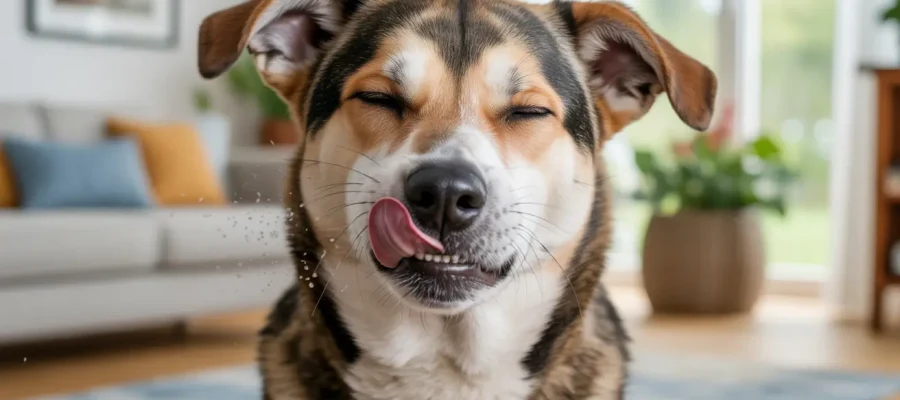
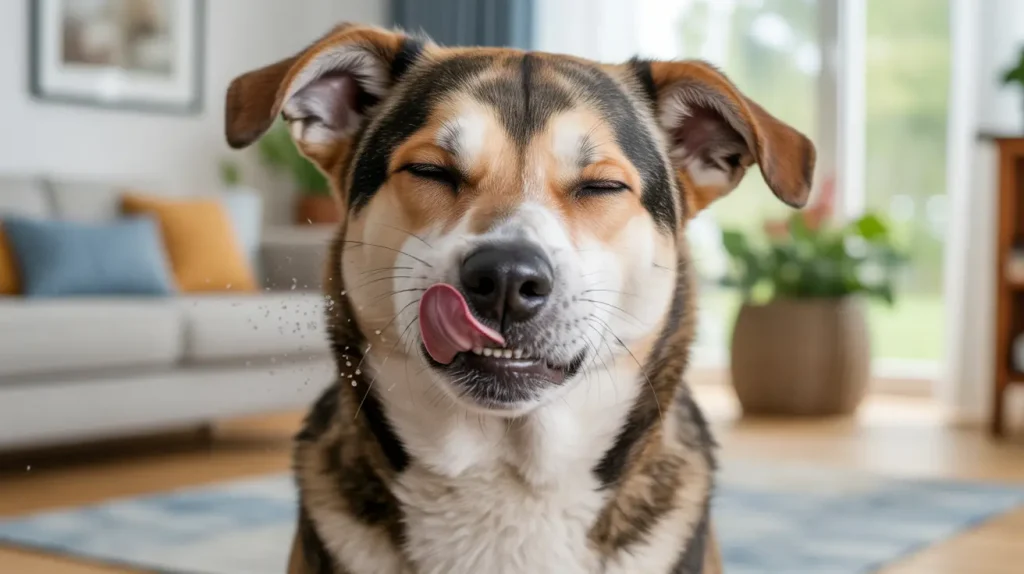
Sneezing in dogs is usually harmless, but when your Dog Keeps Sneezing, it can raise concern. Just like people, dogs sneeze to clear irritants from their nasal passages, but frequent or unusual sneezing may signal an underlying health issue. This guide explains why dogs sneeze, what symptoms to watch for, available treatments, and useful Home Remedies For Sneezing Dog.
Content
Common Signs When a Dog Keeps Sneezing
A dog that sneezes once in a while is likely reacting to dust or excitement. But if your Dog Keeps Sneezing, additional symptoms may appear. You might notice watery or colored nasal discharge, pawing at the nose, or even coughing afterward. Some dogs also show signs of reverse sneezing, which sounds like a snort or gasp. More serious concerns include loss of appetite, lethargy, or changes in behavior.
Types of Dog Sneezing and Related Symptoms
Not all sneezes are the same. Some dogs experience a Dog Sneezing Attack, where several sneezes happen rapidly. Others may show Dog Sneezing A Lot In A Row, which can be linked to allergies, irritants, or nasal mites. A single, occasional sneeze is rarely alarming, but sneezing that happens often—especially with discharge or blood—requires closer attention.
Why Is My Dog Sneezing So Much All of a Sudden?
Pet parents often ask, Why Is My Dog Sneezing So Much All Of A Sudden? A sudden increase in sneezing may be caused by dust, smoke, or strong scents such as perfume. Seasonal allergies, including pollen, are also common triggers. Sometimes a small foreign object like grass or dirt becomes lodged in the nose, causing sneezing episodes. Sneezing that begins suddenly and continues should always be monitored for other symptoms such as nasal discharge, pawing at the face, or coughing.
My Dog Keeps Sneezing and Has a Runny Nose
If My Dog Keeps Sneezing And Has A Runny Nose, the type of nasal discharge can reveal a lot. Clear and watery discharge is often linked to allergies or minor irritants and may also include watery eyes or mild itching. Cloudy, yellow, or green discharge suggests a bacterial or viral infection. Discharge from only one side of the nose may indicate a foreign body, while bloody discharge is always a sign that veterinary care is needed.
Possible Causes of Frequent Sneezing
There are several reasons why dogs may sneeze repeatedly. Irritants and foreign objects are very common. Dogs love to sniff around, and dust, dirt, or even seeds can get stuck inside the nasal passages, causing irritation and sneezing.
Allergies are another frequent cause. Dogs can react to pollen, mold, dust mites, or even certain cleaning products. These reactions often cause Dog Sneezing A Lot In A Row, along with itching or watery eyes.
Infections are also a concern. Viral, bacterial, or fungal infections can all irritate the respiratory system and lead to sneezing. These conditions may also produce coughing, fever, or reduced energy.
Finally, nasal mites or growths inside the nasal passages can cause ongoing sneezing. Nasal mites are irritating parasites, while polyps or tumors, though less common, may also trigger repeated sneezing episodes.
Dog Sneezing Attack vs. Normal Sneezing
A Dog Sneezing Attack can look dramatic but is not always a cause for alarm. Dogs often sneeze in bursts due to excitement, play, or mild irritants. Normal sneezing, by contrast, happens occasionally and resolves quickly. However, if sneezing attacks occur frequently or are accompanied by discharge, irritation, or other health changes, it may point to something more serious such as allergies, infections, or nasal mites.
Dog Sneezing a Lot in a Row: Should You Be Concerned?
Occasional sneezing is a normal reflex, but if your Dog Sneezing A Lot In A Row becomes a daily occurrence, it’s worth paying attention. Frequent sneezing may mean that something is irritating your dog’s nasal passages or that an allergy is at play. If the sneezing is persistent and accompanied by fatigue, loss of appetite, or nasal discharge, then it’s time to consult a veterinarian.
Treatment Options and Veterinary Care
Treatment depends on the root cause. If sneezing is caused by a foreign object, a veterinarian will need to remove it safely. Dogs suffering from allergies may be treated with antihistamines or managed by reducing exposure to allergens. Infections often require antibiotics, antifungal medications, or supportive care. If nasal mites are the culprit, a veterinarian can prescribe antiparasitic treatments. In rare cases where polyps or tumors are responsible, surgical procedures may be necessary.
Home Remedies for Sneezing Dog
Mild cases can often be managed with Home Remedies For Sneezing Dog. Keeping your home clean and dust-free is important, and an air purifier can help reduce allergens. Washing your dog’s bedding regularly can also make a difference. Avoid exposing your dog to cigarette smoke, perfumes, or other strong odors. Always ensure that your pet has access to fresh water, as hydration helps soothe irritated nasal passages. However, if sneezing persists or worsens, home remedies should not replace veterinary care.
What Should I Do If My Dog Keeps Sneezing?
Pet owners often ask, What Should I Do If My Dog Keeps Sneezing? The first step is to reduce potential irritants by keeping the air clean and limiting exposure to smoke or sprays. Next, observe your dog carefully for any changes such as bloody discharge, difficulty breathing, or loss of appetite. If sneezing continues for more than a couple of days or worsens, it’s important to schedule a veterinary appointment to identify the underlying cause.
When to See a Vet
It is crucial to recognize when sneezing is harmless and when it signals something more serious. You should contact a veterinarian immediately if sneezing is accompanied by thick, colored, or bloody discharge, swelling around the face, or noticeable lethargy. Persistent sneezing that doesn’t improve within a few days should also be checked by a professional.
Final Thoughts: Dog Keeps Sneezing
If your Dog Keeps Sneezing, it may be nothing more than a response to mild irritants or excitement. However, when sneezing becomes frequent, occurs in sudden bursts, or is accompanied by nasal discharge or other symptoms, it could be a sign of a deeper problem. By paying attention to your dog’s symptoms and seeking timely veterinary advice, you can ensure your pet stays happy and healthy.
If you’re curious about smaller breeds, check out our guide on the Small Golden Retriever to see if it’s the right fit for your family.
FAQs
What should I do if my dog keeps on sneezing?
Monitor the frequency, reduce irritants, and see a vet if it persists or worsens.
When should I be worried about dog sneezing?
Be concerned if sneezing comes with discharge, blood, lethargy, or appetite loss.
Why is my dog suddenly sneezing but acting normal?
It’s usually from dust, pollen, or mild irritants, and often resolves quickly.
What are dogs telling you when they sneeze?
Sneezing can clear irritants, but during play it’s often a calming signal or excitement.

 Mark Maas