
 Ozell Morgan

Few behavioral problems cause owners more distress than coming home to a destroyed door frame, a complaint from a neighbor about six hours of howling, or a housetrained dog that soils the carpet every time the house is empty. These are not disobedience. In many cases they are signs of genuine panic.
Separation anxiety is one of the most frequently reported behavior problems in companion dogs, and it is also one of the most commonly misdiagnosed. A large share of the cases presented at clinics turn out to be something simpler, which is a dog with nothing to do and far too much unspent energy. Distinguishing between the two determines whether the treatment plan works or wastes months.
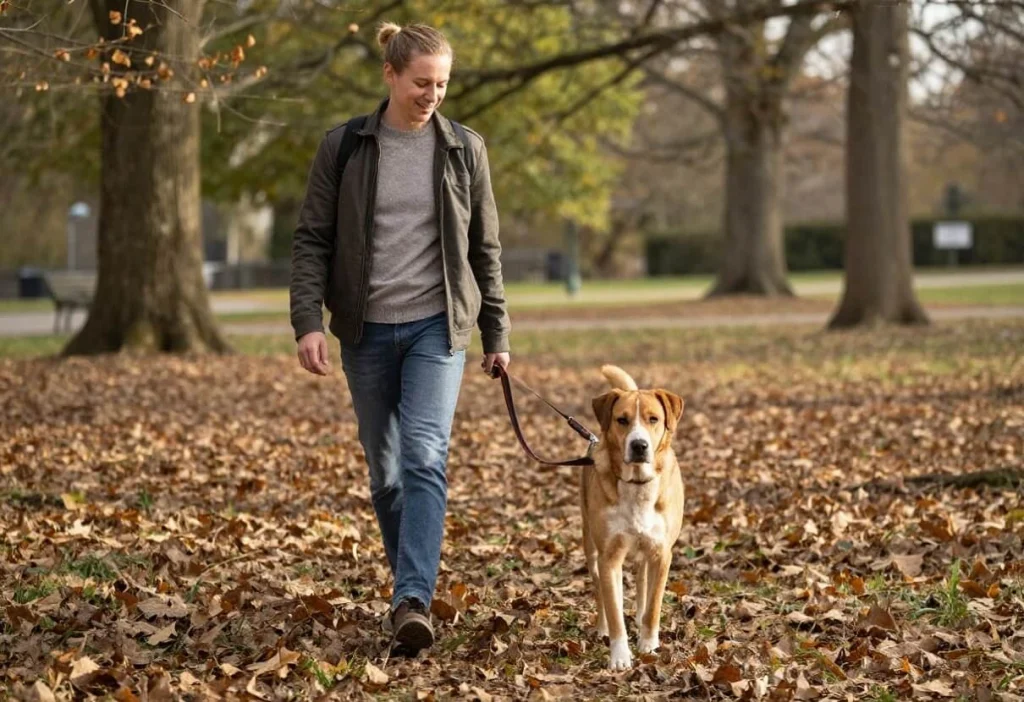
Structured daily exercise sits at the foundation of both. For owners whose working hours make that impossible, arranging a midday walker is the practical solution, and I recommend sourcing one through a dedicated board such as https://dogwalkjobs.com rather than a general classifieds site, since consistency of handler matters considerably for an anxious dog. A rotating cast of strangers entering the home tends to make the problem worse rather than better.
Content
Anxiety or Boredom
The distinguishing question is timing.
True separation anxiety begins within minutes of departure. The dog often shows distress before you leave, reacting to the sound of keys or shoes, and the destructive behavior clusters around exit points such as doors and windows rather than being spread through the house. Drooling, panting, self injury from escape attempts, and refusal to eat while alone are all consistent with anxiety rather than mischief.
A bored or under exercised dog behaves differently. The chewing happens hours in, targets whatever is interesting rather than the doorway, and often occurs when you are home as well. Excitement on your return is normal in both cases and tells you very little.
The ASPCA provides a clear breakdown of the behaviors that indicate genuine separation distress, and it is worth reviewing before assuming a training problem.
Rule Out Medical Causes Before Anything Else
House soiling in a previously reliable dog warrants a veterinary examination rather than a behavior plan. Urinary tract infection, bladder stones, diabetes, kidney disease, and age related sphincter weakness all produce the same visible result and none of them respond to training.
In older dogs, sudden onset anxiety that was never present before deserves particular attention. Cognitive decline, pain from arthritis, and vision or hearing loss all reduce a dog’s tolerance for being alone. Treating the underlying condition often resolves the behavior without any behavioral intervention at all.
Certain medications can also increase anxiety or thirst and urination. Mention everything the dog is taking during the appointment.
What Exercise Does and Does Not Do
Physical activity lowers baseline arousal, supports better sleep, and gives a dog somewhere to direct energy that would otherwise be spent on the door frame. A properly exercised dog left alone in the afternoon is far more likely to sleep through the absence.
It is important to be honest about the limits. Exercise alone does not resolve severe separation anxiety, which is a panic response requiring gradual desensitization and sometimes medication. What exercise does is lower the intensity of the response and make the behavioral work far more likely to succeed. Trying to desensitize a dog that is already overloaded with unspent energy rarely produces results.
For mild cases, and for the very common situation of a dog that is simply under stimulated, a proper routine often resolves the problem entirely within a few weeks.
Structuring the Day
Morning. A substantial walk before you leave is the single most useful change most owners can make. Thirty to sixty minutes depending on breed, ideally including time for the dog to sniff rather than simply covering distance. Scent work is genuinely tiring and produces a calmer dog than the same duration spent marching.
Departure. Keep it undramatic. Prolonged goodbyes raise the emotional stakes around an event you want to make boring. Leave a food dispensing toy or a frozen stuffed toy so the moment of departure becomes associated with something good.
Midday. A break somewhere between four and six hours in is where most owners struggle, and it is also where the greatest improvement usually appears. Most adult dogs should not be expected to hold their bladder or maintain composure for a full nine or ten hour workday.
Evening. A second walk plus ten minutes of training or puzzle feeding. Mental work in the evening settles dogs more reliably than another lap around the block.
Consistency matters more than perfection. Dogs anticipate patterns, and a predictable structure reduces anxiety on its own.
Making the Midday Break Count
If you are hiring a walker for an anxious dog, prioritize the same person every day. Ask for solo walks rather than group walks, since an anxious dog rarely benefits from being added to a pack of unfamiliar animals.
Ask the walker to follow a set routine: same entry, same greeting, same route, same departure. Ask for a short note afterward describing how the dog behaved on arrival and whether it settled after the walk. That report is genuinely useful clinical information if the case later needs veterinary behavioral input.
Approaches That Make It Worse
Punishment after the fact is the most damaging and the most common. A dog cannot connect a scolding to something it did four hours earlier, and the result is a dog that is anxious about your return in addition to your absence.
Crating an anxious dog without preparation is another. Dogs that panic in confinement can break teeth, tear nails, and cause serious injury attempting to escape. A crate must be built up as a positive space long before it is used during absences.
Getting a second dog to keep the first one company usually fails as well. Separation anxiety is attachment to a person, not a general dislike of solitude, and you may simply end up with two dogs displaying the behavior.
When Medication Belongs in the Plan
For severe cases, veterinary behavioral medication can be appropriate. It is not a substitute for behavior modification and it is not sedation. It lowers the anxiety enough for the dog to actually learn during desensitization sessions, which a panicking animal cannot do.
Any owner facing a dog that injures itself, breaks through windows, or cannot be left for even ten minutes should be referred for behavioral assessment rather than continuing to manage alone.
Final Thoughts
Start by identifying which problem you actually have. Rule out medical causes, build a predictable daily structure with real physical and mental exercise, arrange consistent midday coverage, and keep departures and arrivals low key. For most dogs that combination is enough. For the rest, it is the necessary foundation everything else is built on.
FAQs
How long can a dog be left alone?
Most healthy adult dogs manage four to six hours comfortably. Puppies and senior dogs need considerably shorter intervals, and nine or ten hours without a break is unreasonable for almost any dog.
Will more exercise cure separation anxiety?
It reduces severity and supports treatment, but severe cases require structured desensitization and sometimes veterinary medication alongside it.
Does leaving the television or radio on help?
Background noise can mask outside triggers and helps some dogs mildly. It does not address the underlying attachment issue.
Can separation anxiety appear suddenly in an older dog?
Yes, and it should always prompt a veterinary examination. Pain, sensory loss, and cognitive decline are common underlying causes in senior dogs.

Ozell is the cat whisperer you’ve been looking for. She’s passionate about feline friends and offers purr-fect advice on everything from health to playtime.